In a nutshell
- Olbia, Nuoro and the coast road all feed into Arbatax, so build in a buffer for single carriageway traffic and slow camper vans.
- The long crossing from the mainland lands at the Arbatax ferry terminal, which sits a short step from the marina where the boats leave.
- Tortolì taxis and regional buses both serve Arbatax, but services thin out in the low season, so fix your ride back in advance.
- Marked bays and open areas sit around the marina and the port approach; arrive early on boat days when the quays are at their busiest.
- Camper vans are common along this coast; use organised stopover areas near the port and leave no trace in the protected park area.
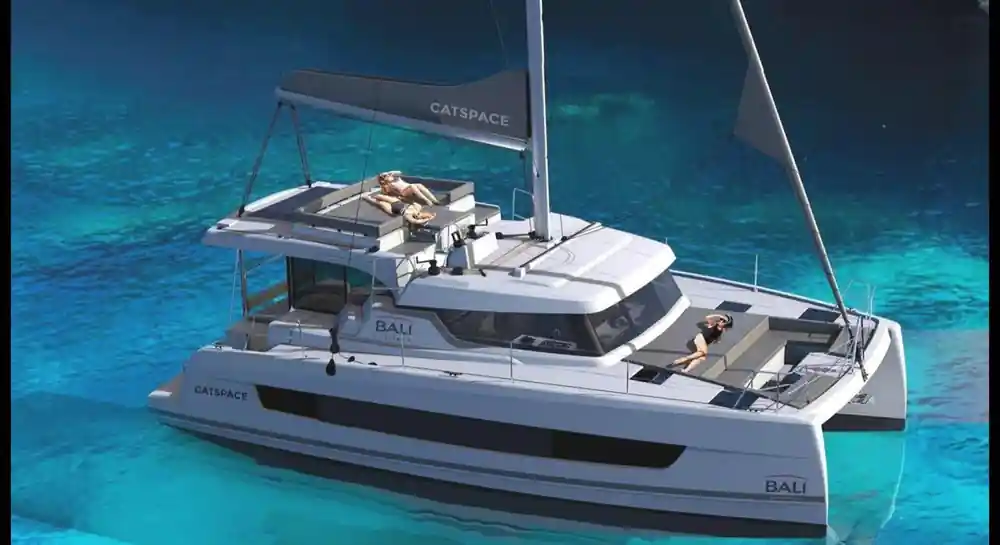
- Top choice Catamaran with lunch from US$276 Duration8 hours[1]Rating4.91 from 268 reviews[1]LanguagesEnglish, French, Italian, Spanish[1]Free cancellationUp to 24 hours in advance[1] Check availability
- Baunei Coast by boat from US$75 Duration9 hours[2]Rating4.42 from 549 reviews[2]LanguagesItalian, English[2]Free cancellationUp to 24 hours in advance[2] See this tour
- RIB tour to Cala Mariolu from US$69 Duration3 hours[3]Rating4.84 from 705 reviews[3]LanguagesEnglish, Italian[3]Free cancellationUp to 24 hours in advance[3] See this tour
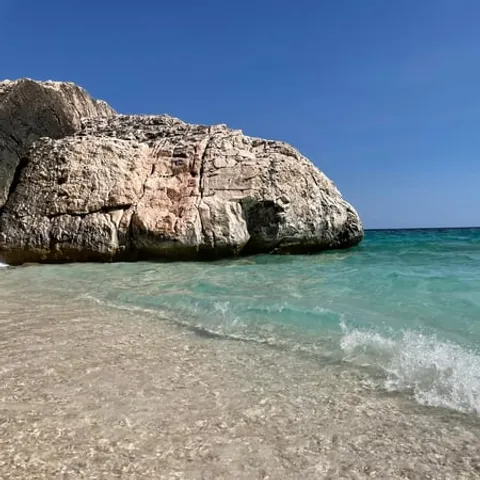
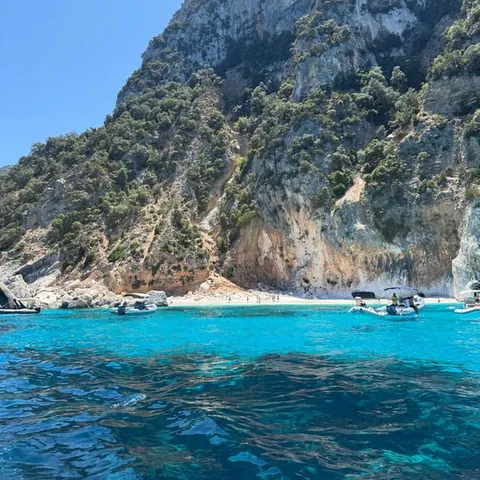
A breath taking view named after the extraordinary particularity of the porphyry cliffs that rise from the sea.
Should you drive, take the ferry or book a transfer to Arbatax?
Trip prep
- Confirm the meeting point and the starting time on your booking before you travel.
- Keep your booking confirmation on your phone or printed, ready for check-in at the quay.
- Pack sun cream, a hat and a light long-sleeved layer for the ride back.
- Plan to be at the port with time to park and walk to the boarding point.
Driving from Olbia Airport to Arbatax
Olbia is where most travellers land, and the drive south to Arbatax sets the tone for the whole boat day. You leave the airport and pick up the coast road down through the Ogliastra, passing San Teodoro, Orosei and Dorgali with the Supramonte limestone rising inland and the sea flickering in and out of view between the hills. The final stretch drops through the wide valley above Tortolì before the road swings into Arbatax itself. Give yourself a generous buffer. Much of the route is a single carriageway, and in summer a slow camper van, a roadworks convoy or a queue behind a tractor can eat the margin you planned.
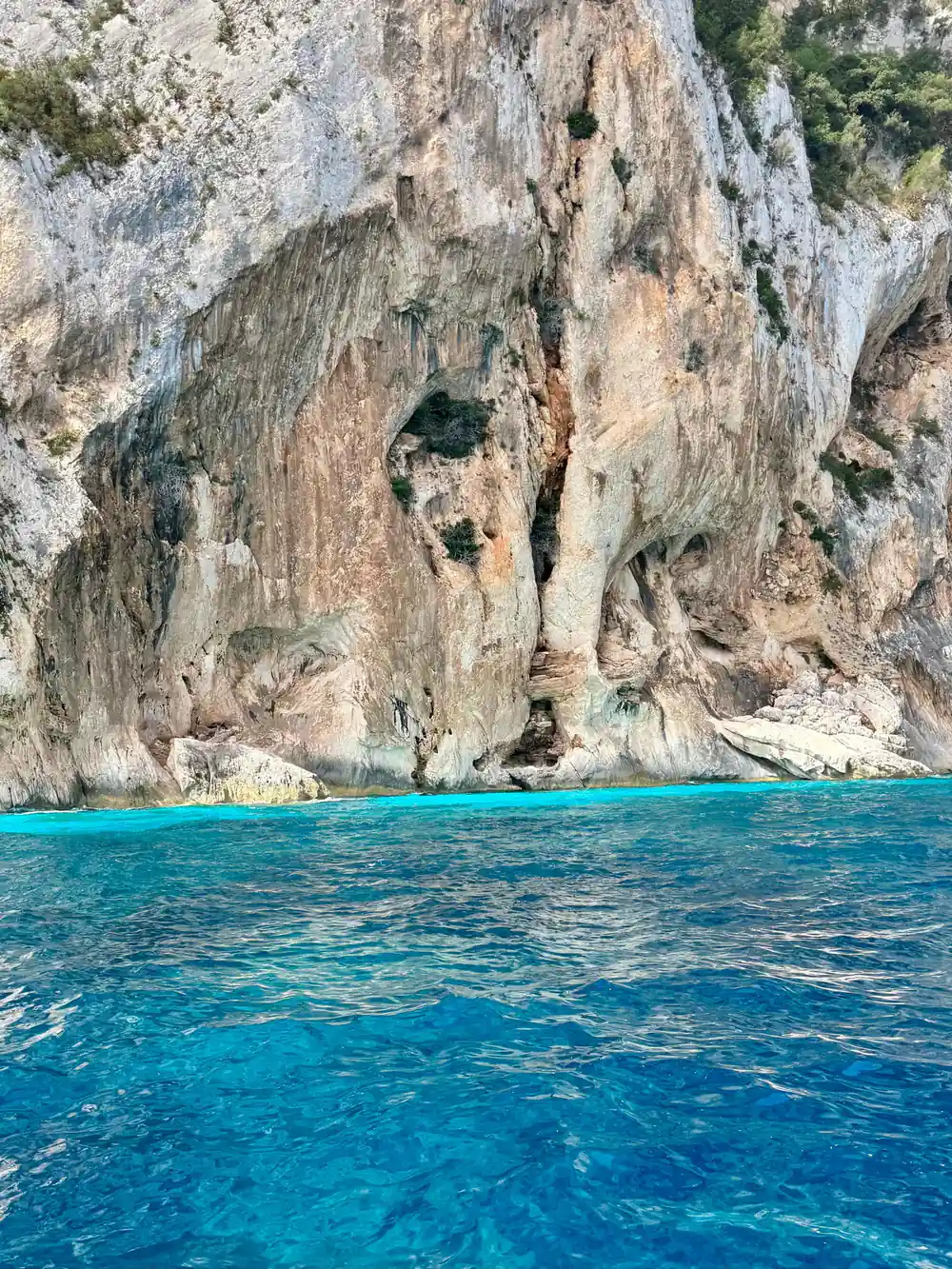
Arbatax is the harbour end of Tortolì, and the Rocce Rosse are the landmark that tells you the port is close. They are named after the porphyry cliffs that rise from the sea, with the Red Rocks Bay opening east of the Arbatax port, a tourist neighbourhood of Tortolì, and a background of white rocks and tall red granite boulders.[5] Once they are in front of you, the marina is a turn or two away. Fill the tank before you leave the main road if you are driving home the same evening, because hunting for fuel in the port area at the end of a long day on the water is nobody's idea of fun.
Traveling from Nuoro and Inland Towns
If you are coming from Nuoro, Oliena or the inland villages, the natural approach is down through Dorgali and out to the coast, a road of hairpins, cork oak woods and sudden views of the gulf. This is a protected landscape. The Gulf of Orosei and the mountains behind it sit inside the Parco Nazionale del Golfo di Orosei e del Gennargentu, a protected area in Sardinia.[6] Nothing changes about your driving, but it explains why the buildings thin out and the road stays narrow as you get closer to the water. Plan the inland stretch for daylight, because the bends are slow and the signposting is modest.
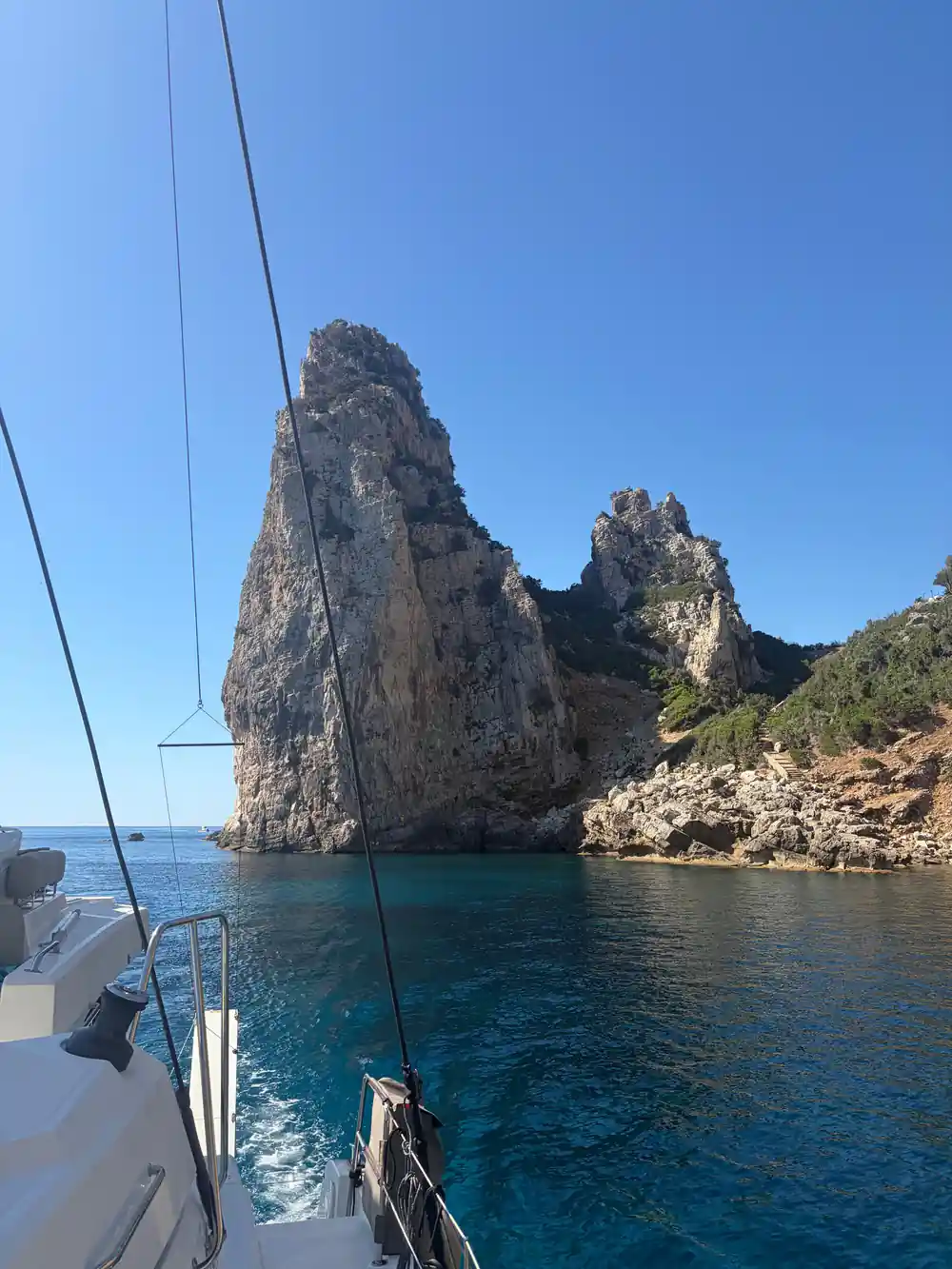
From the north, the coast road runs down through Santa Maria Navarrese and Lotzorai before it reaches Tortolì and the port. This is trekking country as much as boating country. The Selvaggio Blu is a route that starts in Pedra Longa and ends in Cala Luna, winding through unspoiled paths hanging between sea and mountain.[7] If you are driving down on the morning of your trip, treat the whole coastal stretch as a place where a short delay is normal rather than a crisis, and leave earlier than the map suggests.
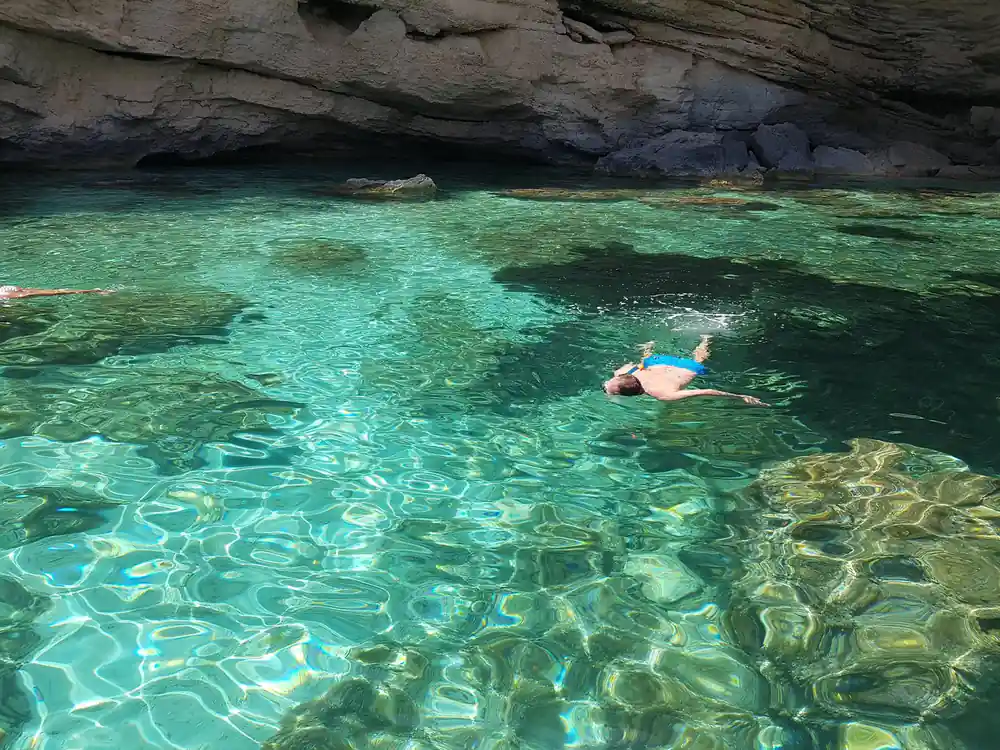
The Rocce Rosse stand at the eastern edge of Arbatax, a landmark for drivers arriving at the port.
Ferry Access from Civitavecchia and Continental Italy
The Marina di Arbatax tourist port and the commercial quays sit side by side at the eastern edge of town, and the Arbatax ferry terminal handles the crossings from the Italian mainland. The classic route is the sail from Civitavecchia, the one people mean when they ask Civitavecchia Arbatax quante ore. It is a long crossing, often overnight, and the landing time on your ticket is the fixed point around which the rest of the day has to be built. If your sailing and your boat trip fall on the same day, leave a wide gap between them. A late ferry is the one thing you cannot plan your way out of.
From the ferry exit the port is compact, and the marina is close enough that foot passengers do not need a car. Drivers come off the ramp straight onto the port road and can head for the parking areas around the harbour. Arrivals create a short, busy window: when a large crossing docks, the terminal road, the taxi rank and the nearest car parks all fill at once. If you are on foot, walk out with the flow and follow the harbour buildings rather than cutting across the quays.
Taxis and Rideshare from Regional Airports
Olbia, Cagliari and Alghero all have airports, and all three sit a long drive from Arbatax, so a transfer is a serious part of the budget rather than an afterthought. An Arbatax taxi booked in advance for an airport run takes the stress out of a late arrival, and local drivers are used to meeting boats and ferries at odd hours. Rideshare cover in this part of Sardinia is thin, so do not count on opening an app at the kerb and finding a car.
In town, taxis are few and mostly based around Tortolì, and the drivers know the port entrance, the marina and the parking areas well. If you are staying inland, in Baunei, Urzulei or up on the Golgo plateau, book your lift the day before rather than on the morning of the trip. For the return leg, ask the crew roughly when the boat expects to be back at the quay and pass that on to your driver. Boats keep to their own clock, and a driver who knows the plan will wait far more patiently than one who does not.
from US$276
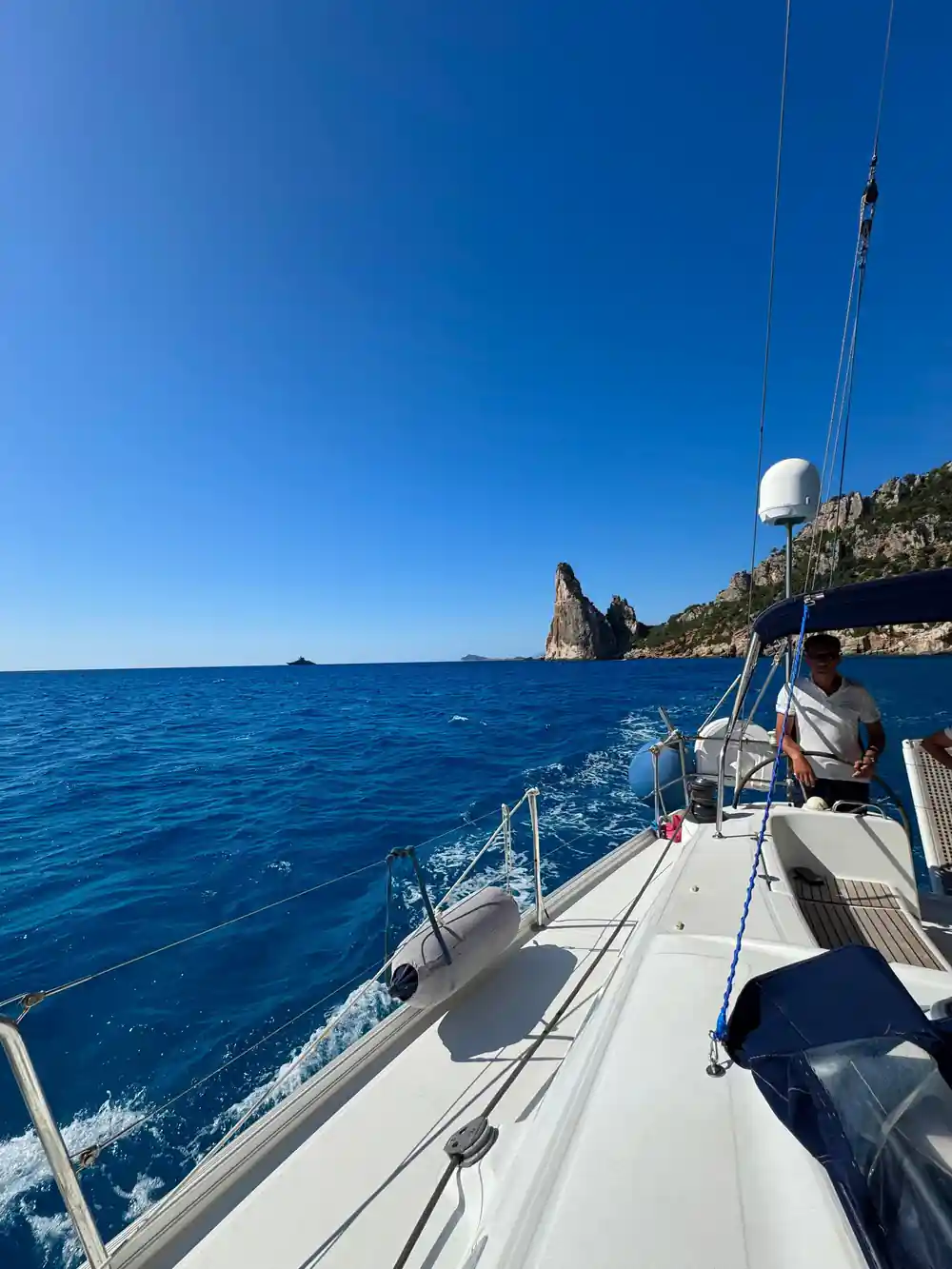
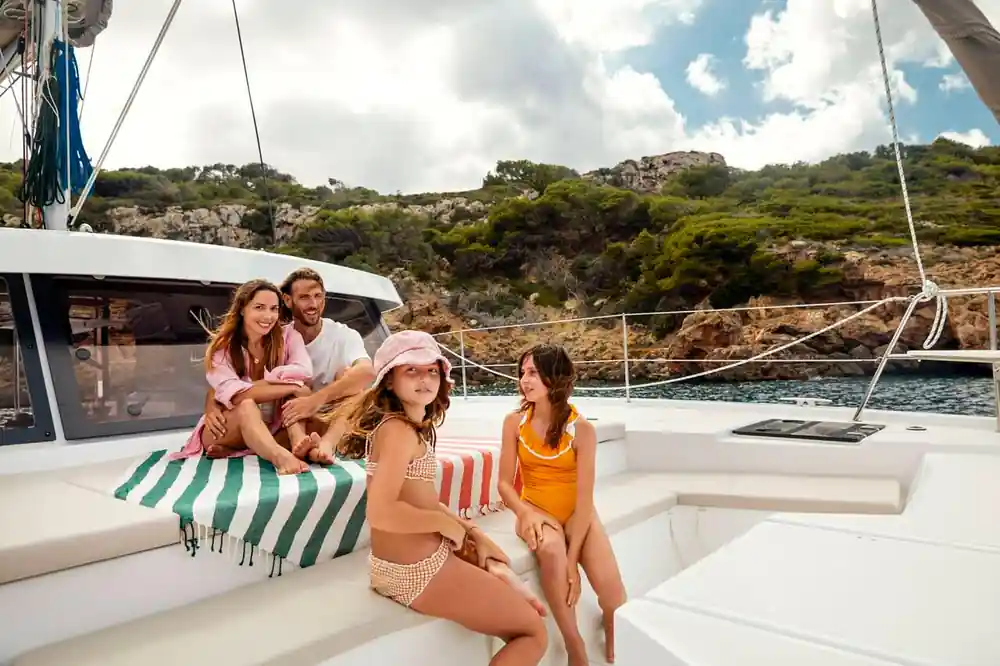
The Gulf of Orosei catamaran boat trip with lunch departs from Arbatax and runs for 8 hours with a live guide.[1]
Public Transport and Bus Options
Regional buses link the main towns of the Ogliastra with Arbatax and Tortolì, and they are a genuine option if you are travelling without a car and staying nearby. Services are built around local needs, so the useful departures cluster in the morning and the middle of the day, with fewer options later. Check the timetable for the exact day you are travelling rather than assuming a weekday pattern, because weekend and low-season services are thinner. Match your plan to the timetable rather than the other way round, and keep some slack for the walk from the stop to the port.
Arriving by bus also makes it easy to add a land day to the boat day. From Cala Gonone, boats run to the Grotta del Bue Marino, and adult tickets cost €10 in the ordinary season and €12 in June, July, August and September.[8] The cave and the beach at Cala Luna make a good contrast to a day on the open gulf. Cala Luna is in Sardinia, on the central eastern coast, and it is reachable from Cala Gonone, a hamlet in the township of Dorgali in the province of Nuoro.[9]
Parking and Port Logistics at Arbatax
Parking around Arbatax is a matter of timing more than anything else. There are open areas and marked bays near the marina and along the approach roads into the port, and they are comfortable on an ordinary weekday morning. On a summer boat day, with ferries landing and several excursions leaving at once, the same spaces disappear quickly. Arrive with a buffer, take the first reasonable space you see rather than circling for a perfect one, and walk the last stretch.
Once you are at the water, the geography does the rest of the work. The gulf stretches 30 kilometres along the eastern coast of Sardinia[10], and the catamaran trip from Arbatax runs for 8 hours with a live guide.[1] If your itinerary includes a landing at Cala Goloritzé, note that access there requires a mandatory reservation from April to October and is limited to a maximum of 250 people at the same time.[11] The rule applies to everyone arriving at that bay in that window, so read your operator's notes before you travel rather than on the deck.
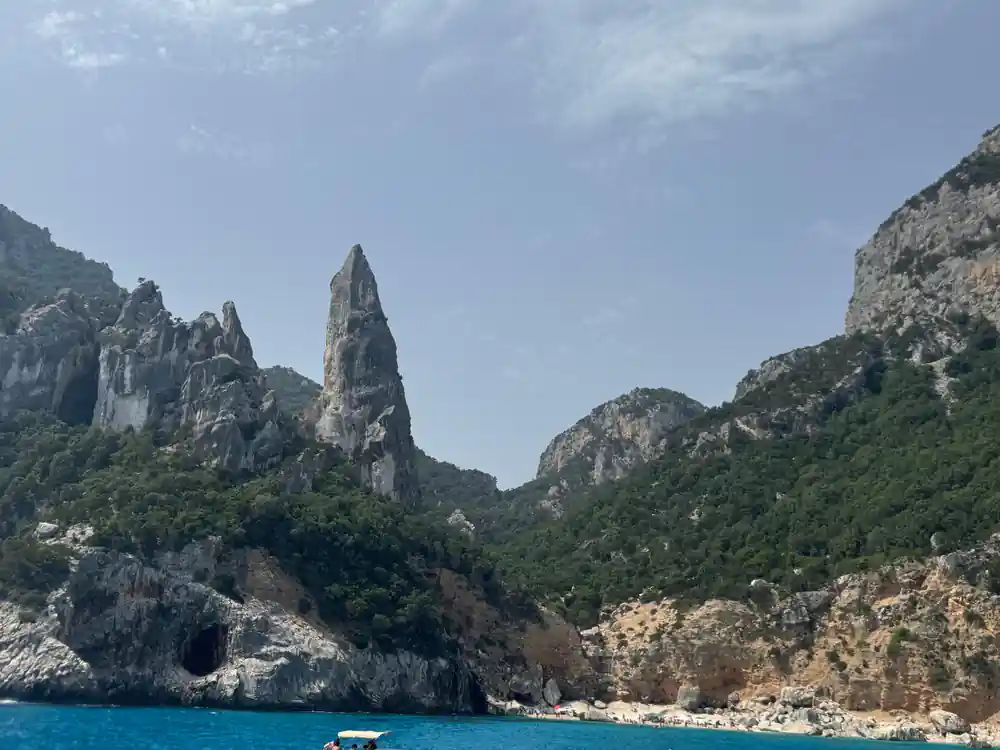
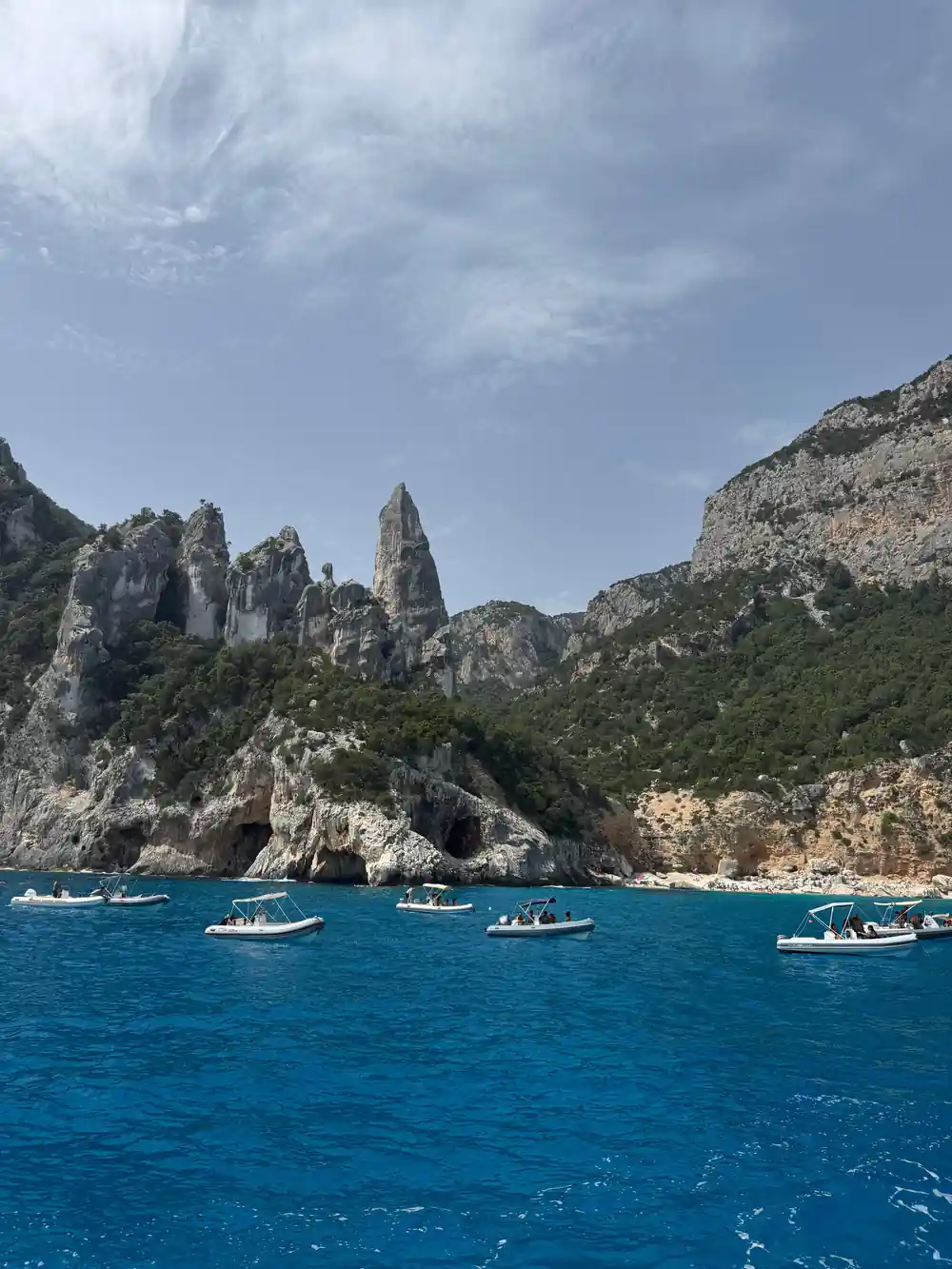
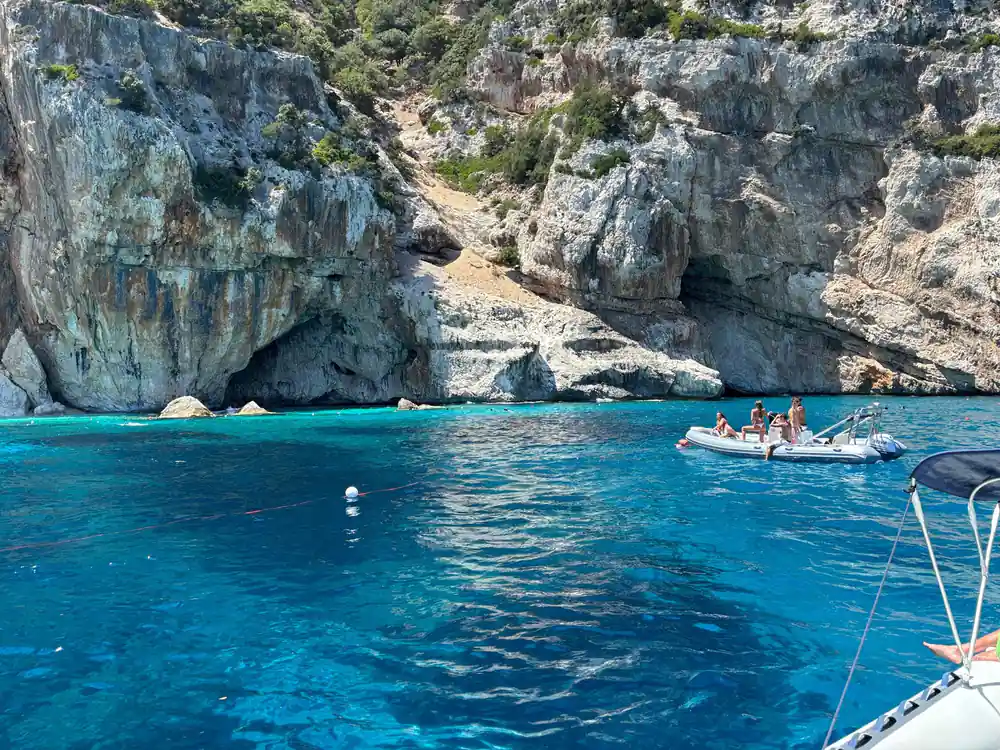
Swim stops are the other half of the day. Cala Mariolu is known for its crystal-clear water, white pebbles and dramatic limestone cliffs that plunge into the sea[12], and the coves along this coast change character with the light and the swell. Bring a light layer for the ride home even in high summer, because the wind over the deck after a long swim feels colder than the beach did.
Camper Vans and Overnight Parking Near the Port
Camper vans are everywhere along this coast in summer, and Arbatax is a natural staging point for them. The practical approach is to use organised stopover areas and campsites around Tortolì and the surrounding villages, park up properly, and use the port car parks only for the hours around your trip. The gulf and the mountains behind it are protected inside the national park, which is a good reason to leave no trace at informal roadside spots and to keep the coastline as you found it. If you are travelling with a van, arrive early enough that you can still move on if a spot is full.
Staying overnight close to the port has real advantages. You can walk to the quay in the morning, leave the van parked and come back to it after the trip without fighting for space. If you would rather explore the water on your own terms, dinghy hire in the gulf is open to everyone, with no licence needed to hire a dinghy, though the driver must be at least 18 years old.[13] For most people a guided day on a catamaran is the easier introduction. Sea water in the gulf averages 26.5 °C in August, with a minimum of 24.4 °C and a maximum of 29 °C over the last decade.[4]
Hours on the water from Arbatax
Durations as listed for these Arbatax departures[1][2][3][14].
Compare from-prices for Arbatax departures
From-prices in US dollars for Arbatax departures[1][2][3][14].
When to book your Arbatax boat day
Getting to the boat
Book your place
Reserve the catamaran trip before you fix your travel day, because Arbatax boat trips fill up in the busy weeks.
Plan your route
Decide whether you are driving, arriving by ferry or taking a bus, and add a buffer for the last coastal stretch.
Sort out parking
Look for bays around the marina and the port approach road, and take the first sensible space you find.
Walk to the quay
The port is compact, so once you are parked the meeting point is an easy walk past the harbour buildings.
Check in and board
Show your booking to the crew, settle onto the deck, and let the skipper take the day from there.