In a nutshell
- The Gulf of Orosei stretches 30 kilometres along the eastern coast of Sardinia, protected within the Parco Nazionale del Golfo di Orosei e del Gennargentu.[1][2]
- Known for crystal-clear water, white pebbles and dramatic limestone cliffs that plunge into the sea, with cold freshwater seeping through the rock behind the beach.[3]
- Reachable from Cala Gonone in the township of Dorgali, province of Nuoro, and the finishing point of the Selvaggio Blu trek that starts at Pedra Longa.[4][5]
- Adult tickets for the Grotta del Bue Marino cost €10 in the ordinary season and €12 in June, July, August and September.[6]
- From Arbatax, 8 hours on the water with lunch and a live guide in English, French, Italian and Spanish, from US$276.[7]
- Top choice Gulf Orosei Catamaran from US$276 Duration8 hours[7]Rating4.91 from 268 reviews[7]Guide languagesEnglish, French, Italian, Spanish[7]CancellationCancel free 24 hours ahead[7] Check availability
- RIB to Mariolu & Goloritzè from US$69 Duration3 hours[8]Rating4.84 from 705 reviews[8]Guide languagesEnglish, Italian[8]CancellationCancel free 24 hours ahead[8] See this tour
- Baunei Coast Day Tour from US$75 Duration9 hours[9]Rating4.42 from 549 reviews[9]Guide languagesItalian, English[9]CancellationCancel free 24 hours ahead[9] See this tour
This activity is open to everyone. No licence is needed to hire a dinghy, but a minimum age of 18 is required for the driver .
Is the catamaran the right way to see the gulf?
Things to check
White Pebbles and Freshwater Springs at Cala Mariolu
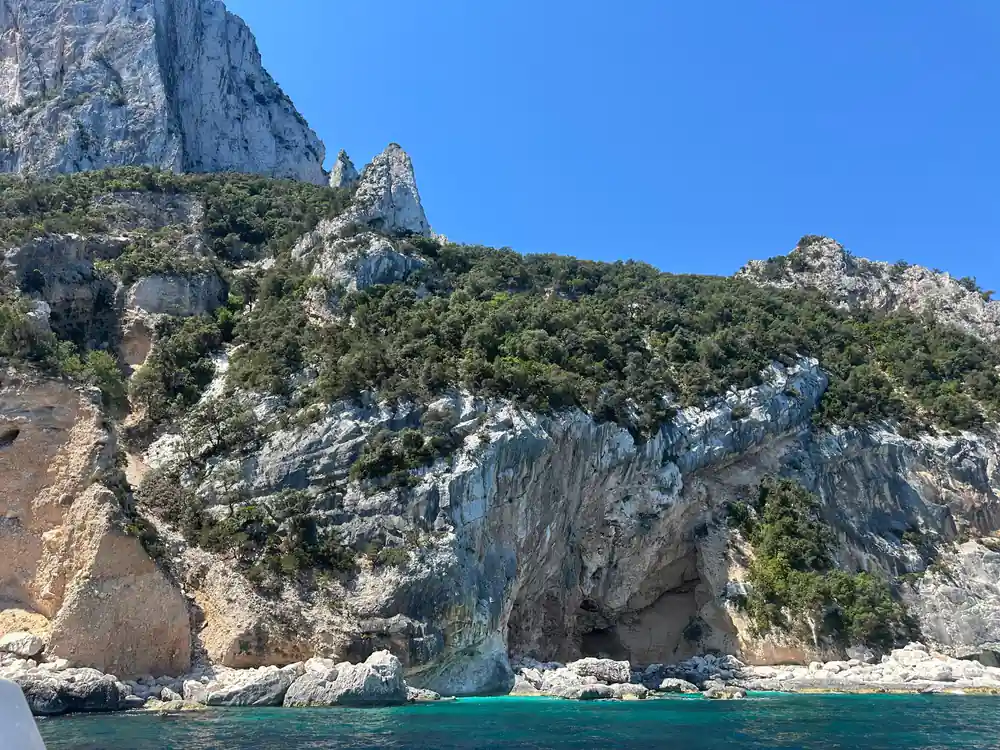
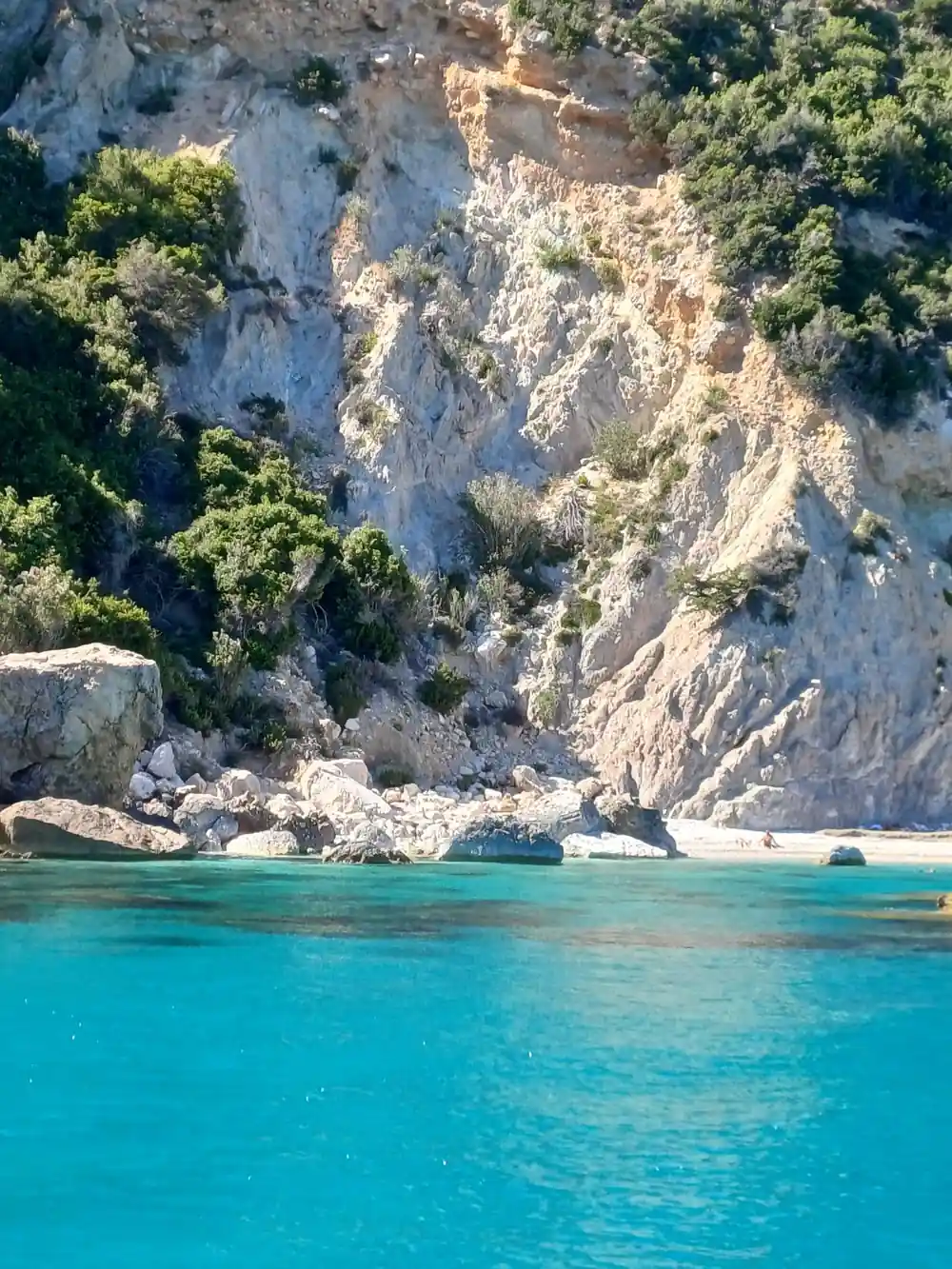
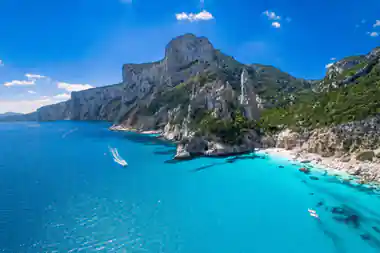
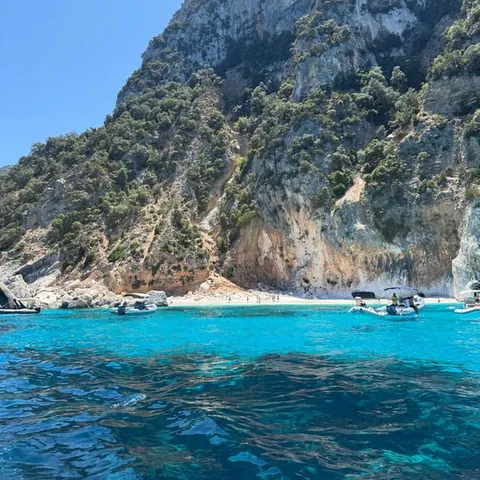
Cala Mariolu sits inside the Gulf of Orosei, a bay of pale pebbles where the water shifts from glassy green to deep blue as you swim out. The gulf stretches 30 kilometres along the eastern coast of Sardinia[1], and the coastline here is protected within the Parco Nazionale del Golfo di Orosei e del Gennargentu[2]. Arriving by boat, you see the cliffs first, then the beach opens behind them like a room with a very high ceiling.
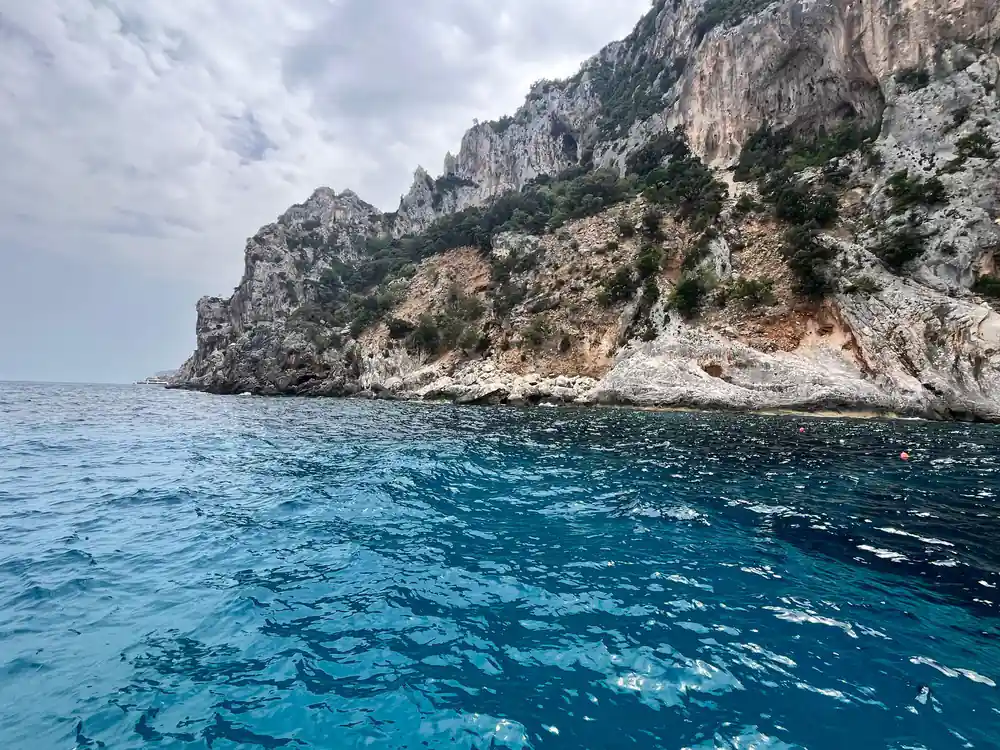
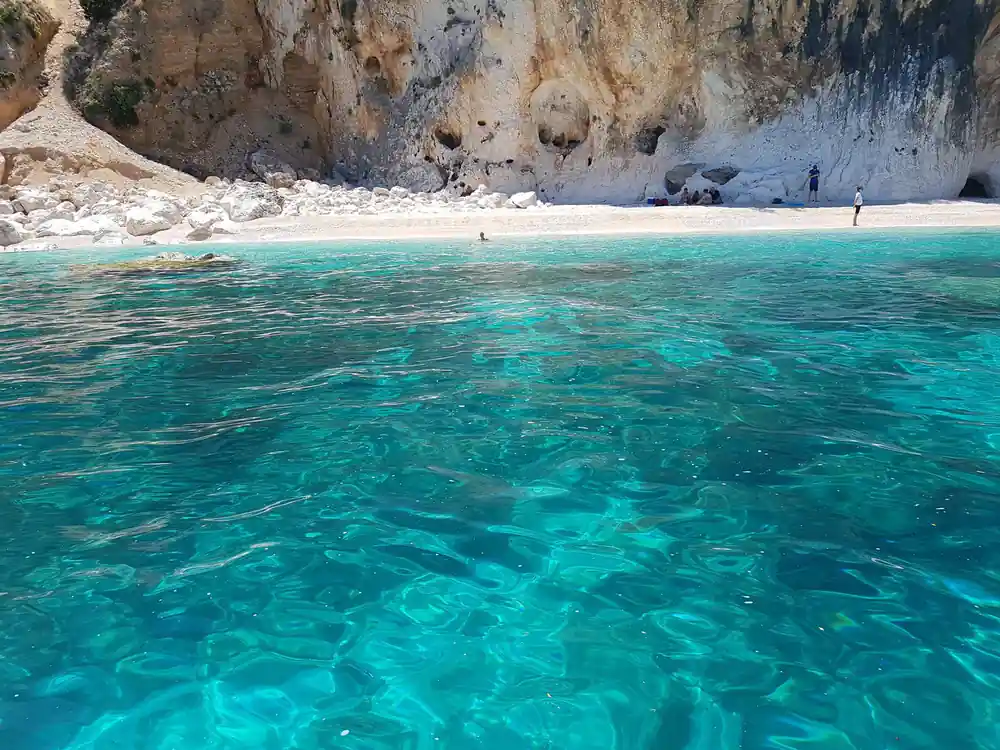
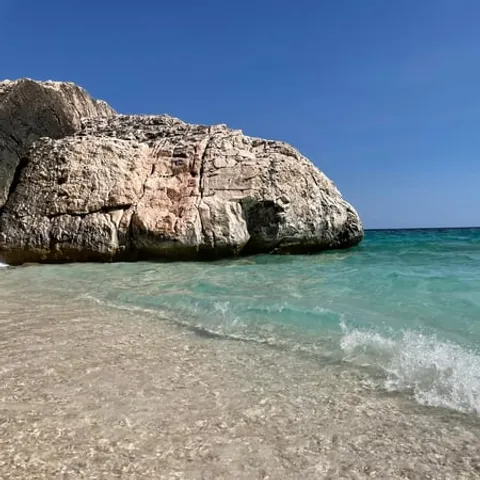
The bay is known for its crystal-clear water, white pebbles and dramatic limestone cliffs that plunge into the sea[3]. There is no soft sand to dig your toes into, so bring shoes that stay on in the water and something padded to sit on. Behind the pebble bank, cold freshwater seeps through the limestone into the sea, and the shallows can feel suddenly chilly on a hot afternoon. Most swimmers notice, laugh, and swim on.
The light here changes the whole bay. Midday turns the water into a flat, bright sheet, while late afternoon brings long shadows off the cliffs and a deeper blue further out. If you only take one photograph all day, take it from the water, looking back at the pebble bank and the wall of rock above it.
The Legend Behind Mariolu's Name
Local stories say the beach takes its name from a small fish, the mariolu, which kept stealing the cheese that fishermen left on the rocks while they worked. The thieves were quick and bold, and the nickname stuck to the cove rather than to the fish. Nobody quite agrees on the details, and that is part of the pleasure. Ask a skipper on the crossing and you will get a version with more drama than the last one you heard.
What matters for a day on the water is simpler. Mariolu is small, it fills quickly in high summer, and the light is at its best in the morning, when the cliffs hold shade over half the bay and the water shows its clearest turquoise. Arriving by catamaran, you anchor a little way out, swim in through open water, and leave the crowded strip of pebbles to the people who walked down from the road.
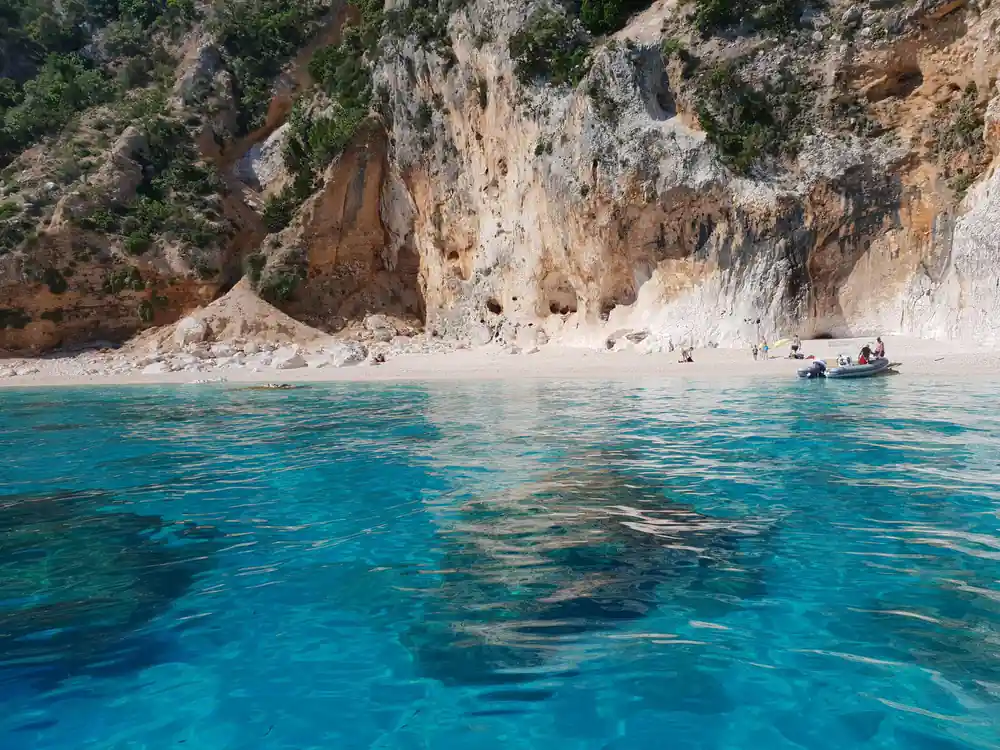
Morning light on the limestone cliffs above Cala Mariolu, seen from the water.
Cala Luna and Its Crescent Formation
Cala Luna is in Sardinia on the central eastern coast and is reachable from Cala Gonone, a hamlet in the township of Dorgali in the province of Nuoro[4]. Seen from the sea it reads as a wide crescent: a curve of pale sand backed by a wall of limestone with dark openings at its base. That shape keeps the water at the edge calm even when there is a breeze further out.
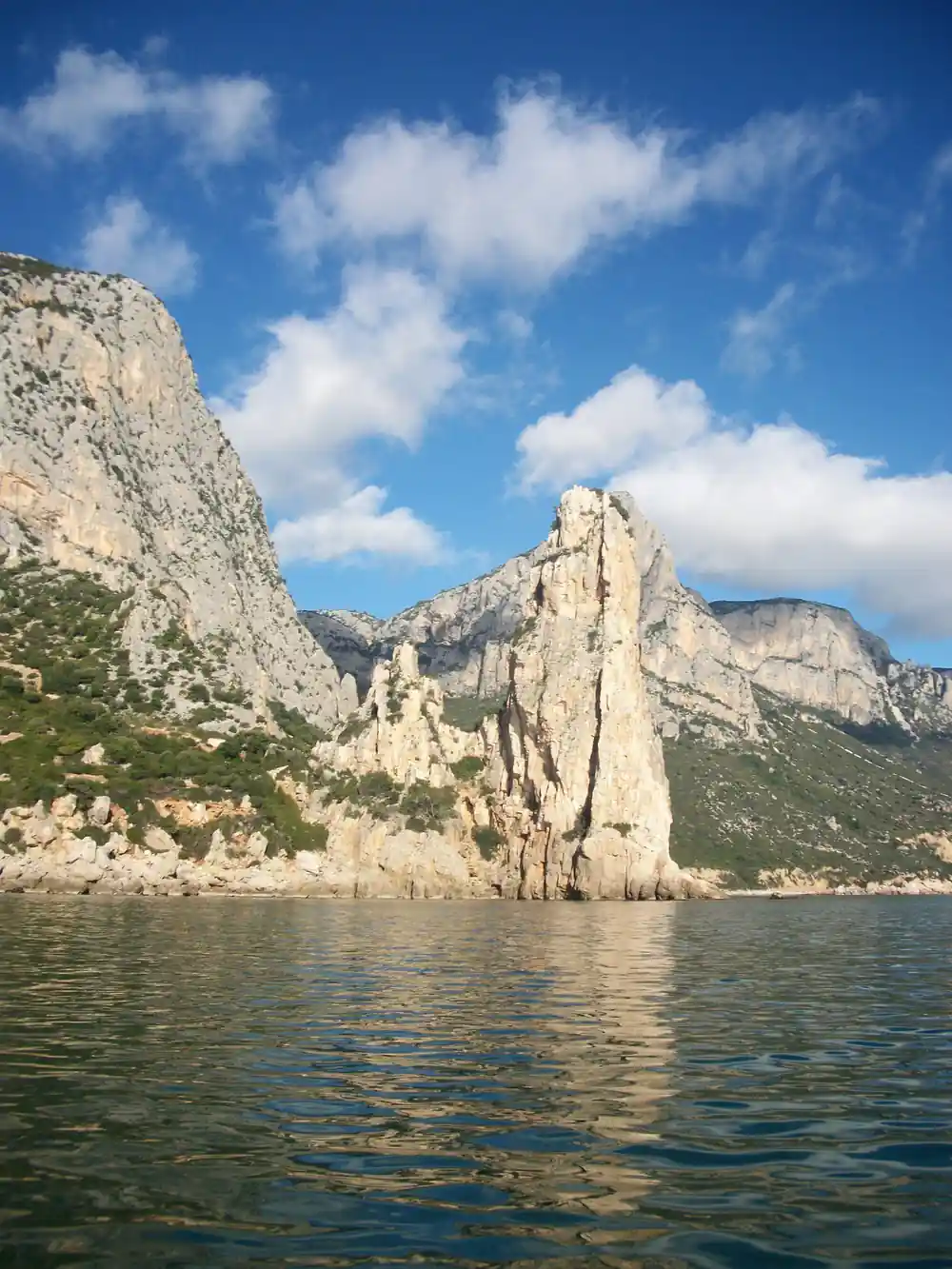
Hikers know the same beach as the finishing point of the Selvaggio Blu, a trekking route that starts in Pedra Longa and ends in Cala Luna, winding through unspoiled paths hanging within sea and mountain[5]. Watching walkers arrive, dusty and pleased with themselves, is one of the small pleasures of a boat day here. From the water you can follow the line of the route climbing the cliffs behind the bay, terrace by terrace, until it disappears into the juniper.
Boat trips that stop here often give you time ashore, and it is worth walking to the far end of the crescent, where the beach narrows and the cliffs crowd in. The view back along the bay, with the boats small and white against the rock, is the photograph everyone takes.
Caves Behind the Beach
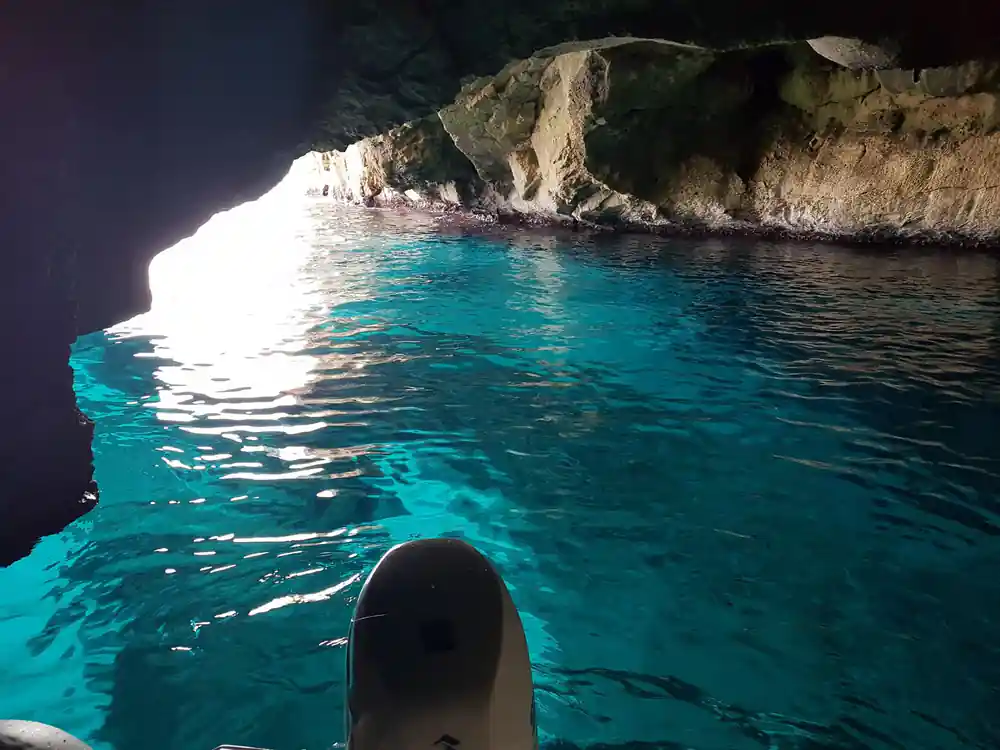
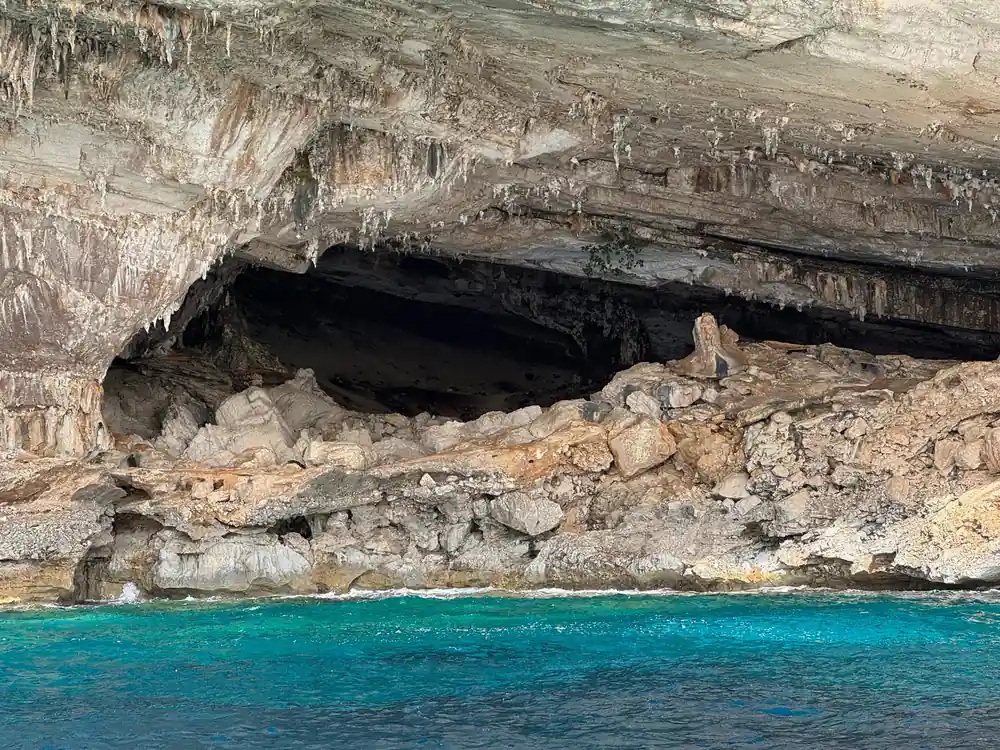
The openings in the cliff at Cala Luna lead into sea caves, cool and echoing, with stalactites and pools of green light. Boat trips often nose in close enough for a look, though the most famous cave of the gulf is the Grotta del Bue Marino, the Sea Ox Cave, named after the monk seals that once sheltered inside. Visits today follow a lit boardwalk with a guide.
Adult tickets for the Grotta del Bue Marino cost €10 in the ordinary season and €12 in June, July, August and September[6]. Cave air stays cool even in high summer, the floor can be damp, and a light layer plus shoes with grip are worth having in your bag. Boats from Cala Gonone run to the cave entrance, and a stop there is often paired with time on Cala Luna's beach.
from US$276
Lunch on board a catamaran from Arbatax, a guide in English, French, Italian and Spanish, and free cancellation up to 24 hours ahead.[7]
The Layered Pools of Piscine di Venere
Piscine di Venere, the Pools of Venus, is a shelf of rock where the sea has carved shallow basins that fill and empty with the swell. Between the pools the surface lies flat and warm, and small fish drift in with each wave. It is a place to float rather than swim hard, and it works best on calm days, when the water is clear enough to see your own shadow on the bottom.
Swimming here is easy and forgiving, though the rock is sharp in places and water shoes help. In August the gulf has an average sea water temperature of 26.5 °C, with a minimum of 24.4 °C and a maximum of 29 °C over the last decade[10], which makes long, unhurried swims the natural thing to do. Bring a rash shirt if you burn easily and a dry bag for the phone you will want for photographs.
The pools are shallow and warm up early in the day, and they are best enjoyed without fins. Sit on the edge, let the swell fill the basin around you, and watch how quickly the colour changes when a cloud passes. It is the kind of stop people remember longer than they expect to.
Cinema and Cultural Heritage
The coves of the gulf have drawn film crews and photographers for decades. White limestone, blue water and a shoreline that changes character with the light are the obvious attractions. Directors come for the emptiness and find that the scale of the cliffs makes everything else look small on camera. A swim stop at Cala Luna or Cala Mariolu can feel like stepping into one of those frames.
Shepherding shaped the interior above the coast, where families moved with their animals between the plateau and the sea. Old paths and stone shelters are still visible from the water, and the names on the maps are as often Sardinian as Italian. To read the gulf properly, look up as well as down: the land behind the beaches belongs to the same story as the coves themselves.
Beyond the films, this is working countryside. Goat bells carry across the plateau in the evening, and the boats that fish these waters still leave Arbatax in the dark. Travelling by sea, even for a day, puts you alongside that rhythm rather than above it, and it is one of the reasons the coast feels different from the resort towns further south.
Planning Your Catamaran Exploration
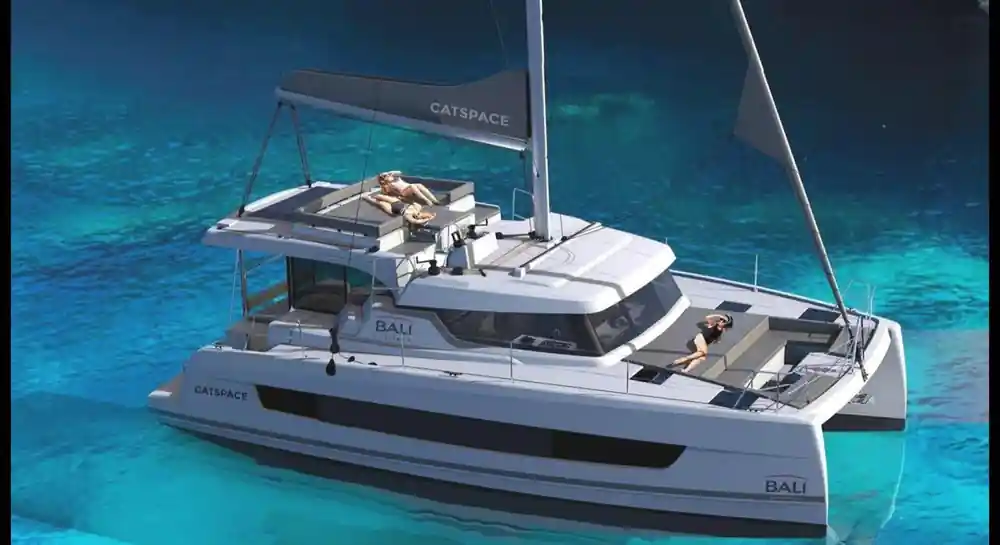
The catamaran trip booked from this site, From Arbatax: Gulf Orosei Catamaran Boat Trip with Lunch, runs for 8 hours with a live guide who speaks English, French, Italian and Spanish, and prices start from US$276[7]. It is rated 4.91 from 268 reviews[7], and you can reserve now and pay later, with free cancellation up to 24 hours in advance for a full refund[7]. Arbatax itself is worth a look before or after: the Rocce Rosse are named after the porphyry cliffs that rise from the sea in the Red Rocks Bay east of the port, a tourist neighbourhood of Tortolì[12].
Where the trip lands or stops is worth checking when you book. One bay on this coast has strict rules: access to Cala Goloritzé requires a mandatory reservation from April to October and is limited to a maximum of 250 people at the same time[11]. A day that stays offshore, or that swims from the boat, keeps things simple. For a different angle on the same water, you can hire a dinghy without a licence as long as the driver is at least 18 years old[13], and potter between the coves at your own pace.
Pack light: swimwear under your clothes, a hat, high-factor sunscreen, water shoes, a towel and a light windproof layer for the ride home. Mornings tend to be the calmest part of the day, and photographs come out best when the water is glassy and flat. Leave room in the plan for doing very little. The best moments in the gulf are usually the ones spent floating with your ears under the surface.
August sea water temperature in the Gulf of Orosei
Average August sea water temperature in the Gulf of Orosei over the last decade, with its minimum and maximum:[10]
Adult from-prices for gulf boat trips
Adult from-prices from GetYourGuide listings:[7][8][9][14][15]. Child prices are not listed for these options.
When to plan each part of the gulf day
Planning the day
Pick your departure port
Arbatax puts you on the water quickly, with the Rocce Rosse and the harbour right beside the pier.
Book the catamaran
Reserve ahead for summer dates, and remember that you can pay later rather than at the time of booking.
Pack for pebbles
Water shoes, a towel, a hat and something soft to sit on make the pebble beaches far more comfortable.
Swim from the boat
Anchoring offshore gives you a clear swim in to the beach and a shaded deck to come back to.
Keep an hour free
Leave space for floating in the Piscine di Venere or for a nap in the shade on the way home.