In a nutshell
- August averages 26.5 °C in the Gulf of Orosei, with a minimum of 24.4 °C and a maximum of 29 °C over the last decade.[1]
- Cala Goloritzé takes a mandatory reservation from April to October and is limited to a maximum of 250 people at the same time.[2]
- The catamaran trip from Arbatax starts at US$276 and offers free cancellation up to 24 hours in advance for a full refund.[3]
- Grotta del Bue Marino adult tickets cost €10 in the ordinary season and €12 in June, July, August and September.[4]
- The Gulf of Orosei stretches 30 kilometres along the eastern coast of Sardinia.[5]
- Top choice Catamaran with lunch from US$276 Duration8 hours[3]Rating4.91 from 268 reviews[3]GuideEnglish, French, Italian, Spanish[3]CancellationCancel up to 24 hours before[3] Check availability
- Baunei coast by boat from US$75 Duration9 hours[6]Rating4.42 from 549 reviews[6]GuideItalian, English[6]CancellationCancel up to 24 hours before[6] See this tour
- RIB run to Cala Mariolu from US$69 Duration3 hours[7]Rating4.84 from 705 reviews[7]GuideDriver: English, Italian[7]CancellationCancel up to 24 hours before[7] See this tour
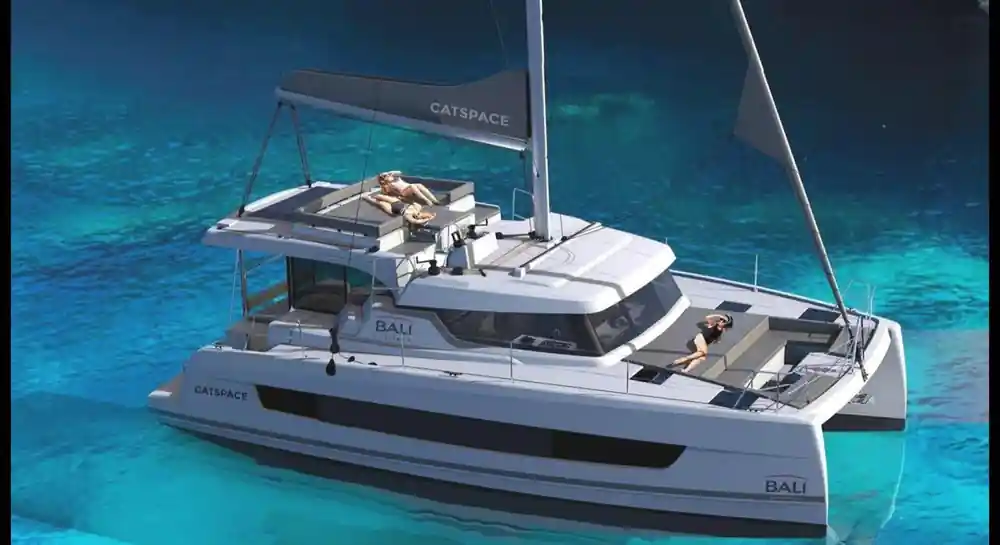
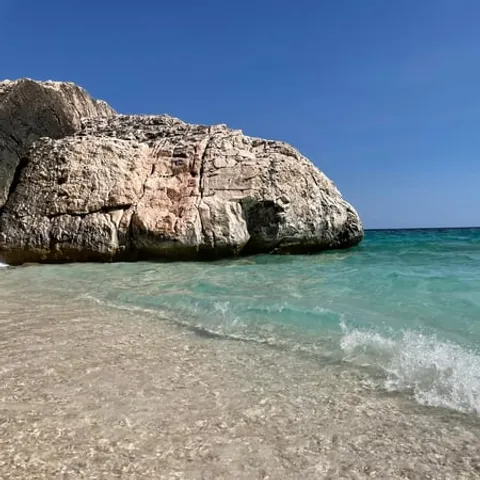
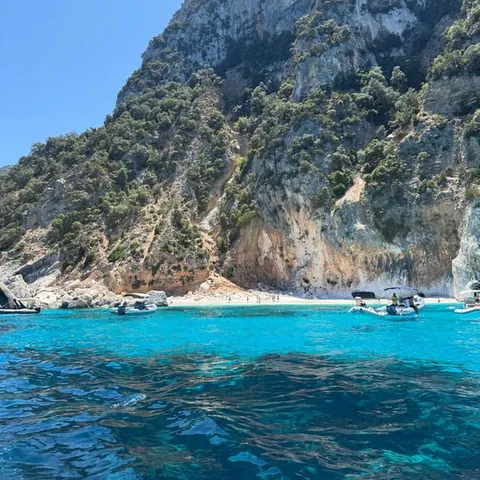
The Gulf of Orosei stretches 30 kilometres along the eastern coast of Sardinia, marked by the foothills of the Supramonte massif.
Our verdict: sail the edges of summer
Things to check
- Read the forecast for the Baunei coast a few days before you sail, not just the town forecast.
- Cala Goloritzé access needs a reservation from April to October.[2]
- Compare from-prices across the Arbatax and Cala Gonone departure points.
- Pick a listing with free cancellation up to 24 hours in advance.[3]
On the water
- Expect the warmest sea in August, averaging 26.5 °C in the gulf.[1]
- Take a hat, high-factor sun cream and a refillable bottle, as shade is scarce on the rocks.
- Reef shoes help on the white pebble beaches around Cala Mariolu.[8]
- Small-group boats and popular coves fill quickly in high summer, so book ahead.
Best months for sailing the Gulf of Orosei
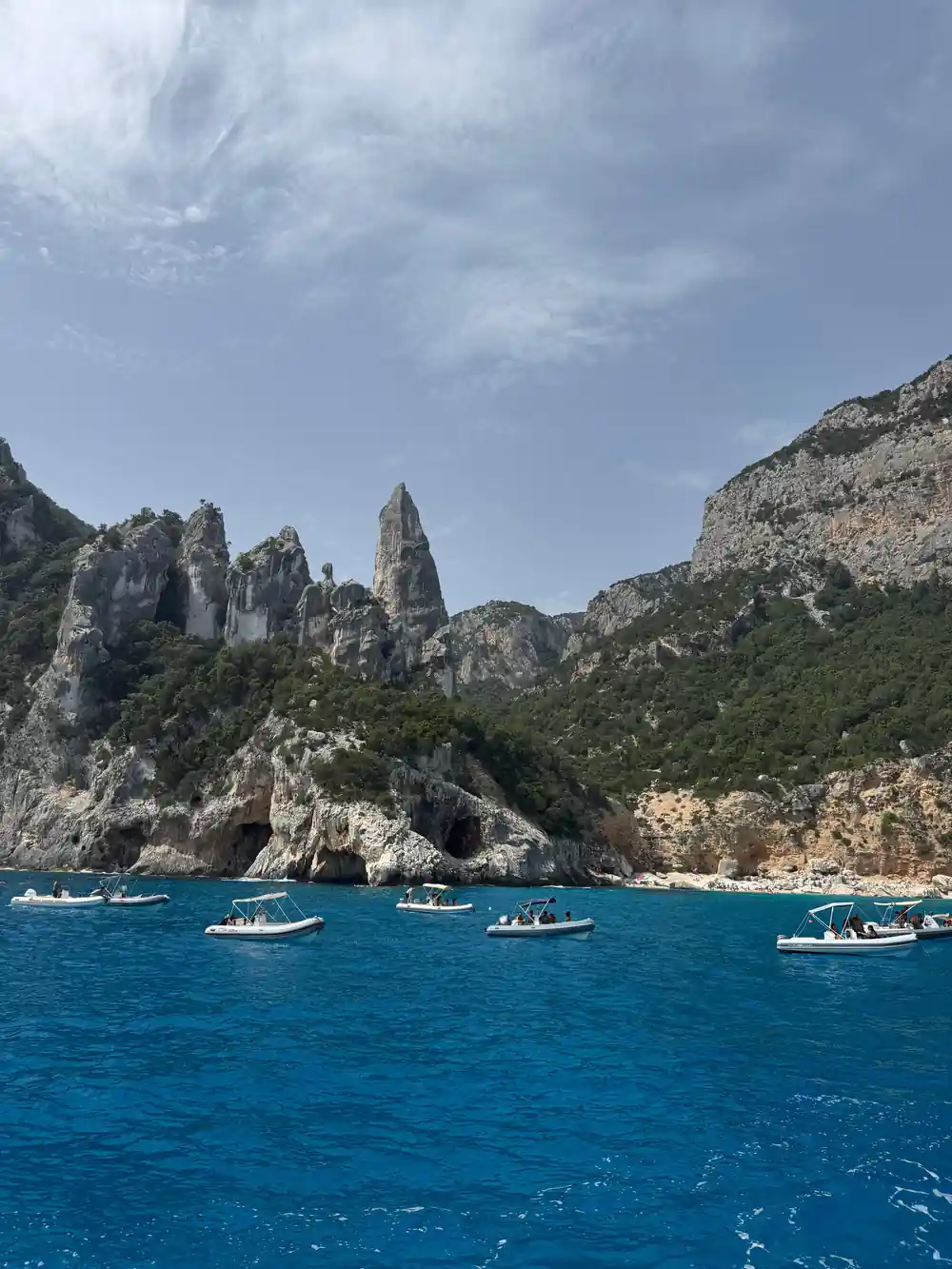
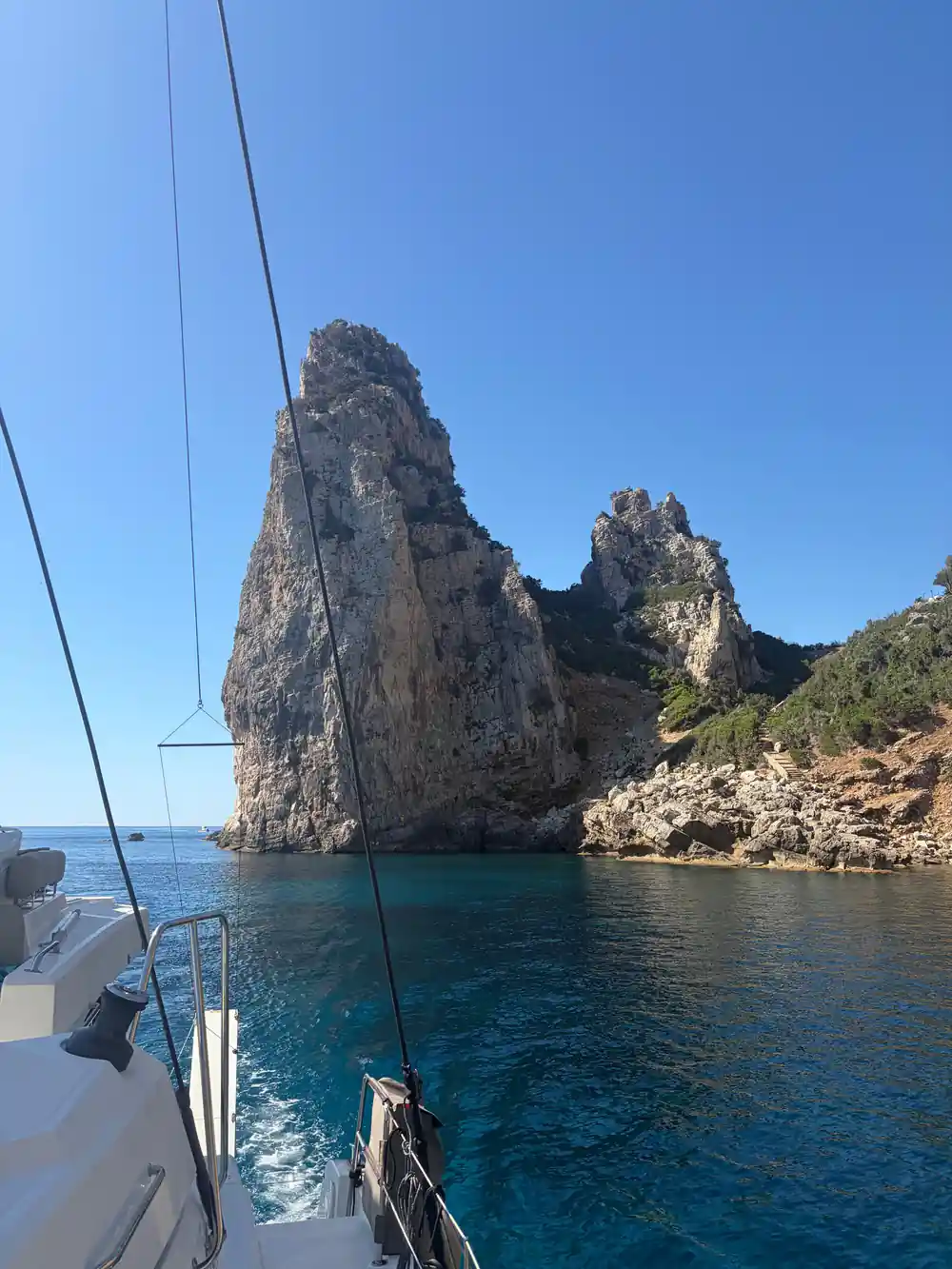
The Gulf of Orosei runs 30 kilometres along the eastern coast of Sardinia, a long wall of limestone and granite with hidden coves at its foot.[5] It lies inside Gennargentu National Park, known in full as the Parco Nazionale del Golfo di Orosei e del Gennargentu.[9] Wind here can differ from one headland to the next, and a flat morning in one bay says little about the next one.
For most travellers the sweet spots sit at the edges of summer. Late spring brings gentler airs and cooler water, when the coast is quiet and the boats have room. Midsummer brings the warmest sea and the longest days, along with the fullest beaches, the earliest starts and the busiest launch points. Early autumn often keeps the warmth while the crowds thin, though the weather turns more changeable and some operators wind down for the year.
One date shapes planning more than any other. Access to Cala Goloritzé requires a mandatory reservation from April to October and is limited to a maximum of 250 people at the same time.[2] If that cove is on your list, build the rest of the day around it.
How the mistral wind shapes a day on the water
The mistral is the wind everyone on the Sardinian coast talks about. It arrives from the north-west, funnelling down the valleys and out over the water, and it clears the air so that cliffs and seabed both look sharper. On this eastern coast it can put a short, steep chop on the open stretches between headlands while the coves behind them stay glassy.
Skippers watch it closely and adjust the day as it builds. When the wind is up, they tend to keep to sheltered water and swap long crossings for nearby bays. The stops you visit may come in a different order from the listing, and the beach time may be shorter than you pictured.
Whatever the forecast says, a light windproof layer earns its place in your bag. On the water the breeze feels stronger than it does in town, and in the shade of a cliff it can disappear altogether. Layers beat one heavy jacket, and sunglasses with a cord, a hat that ties and a dry bag for phones make the day easier when spray comes over the bow.
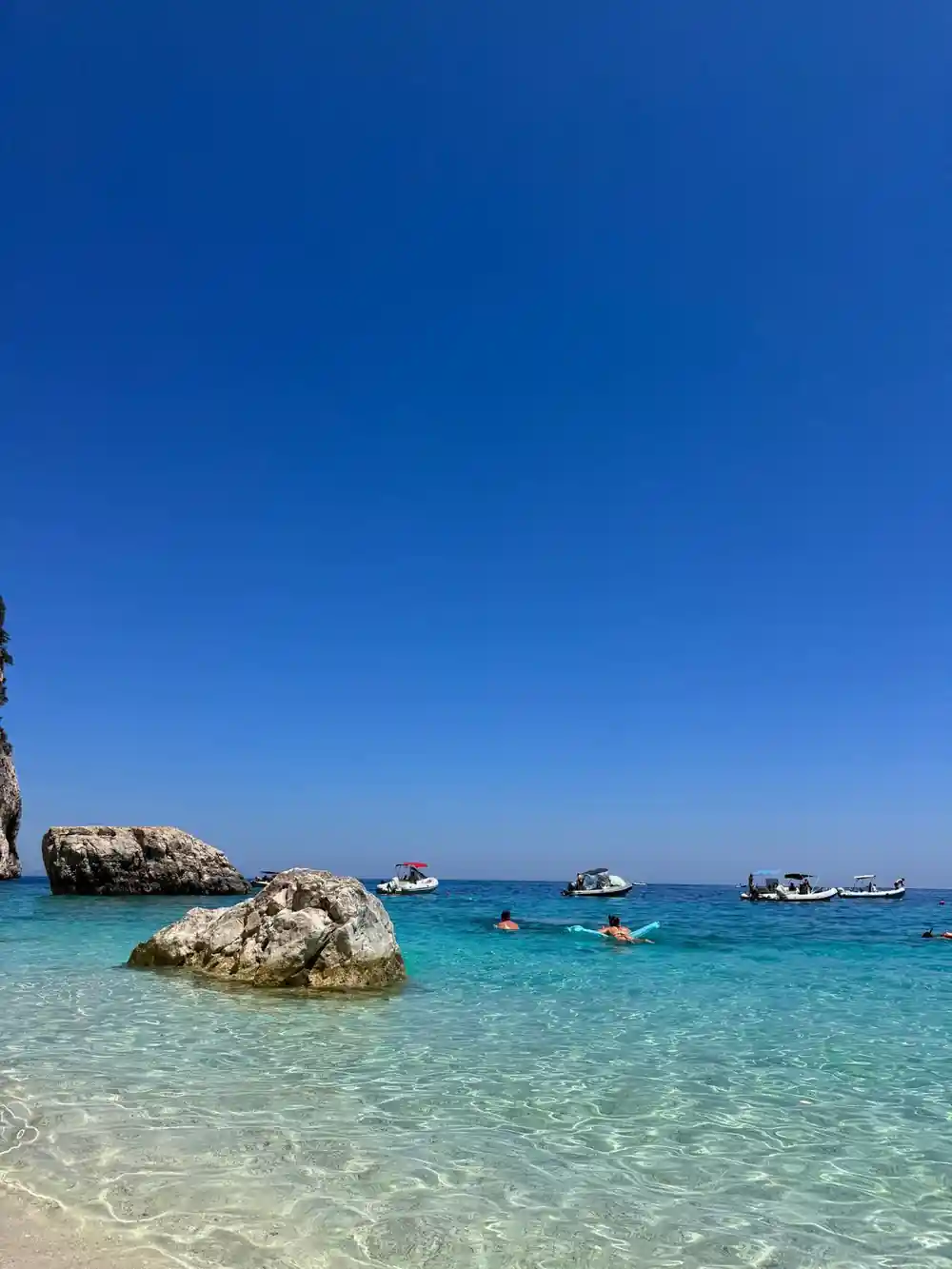
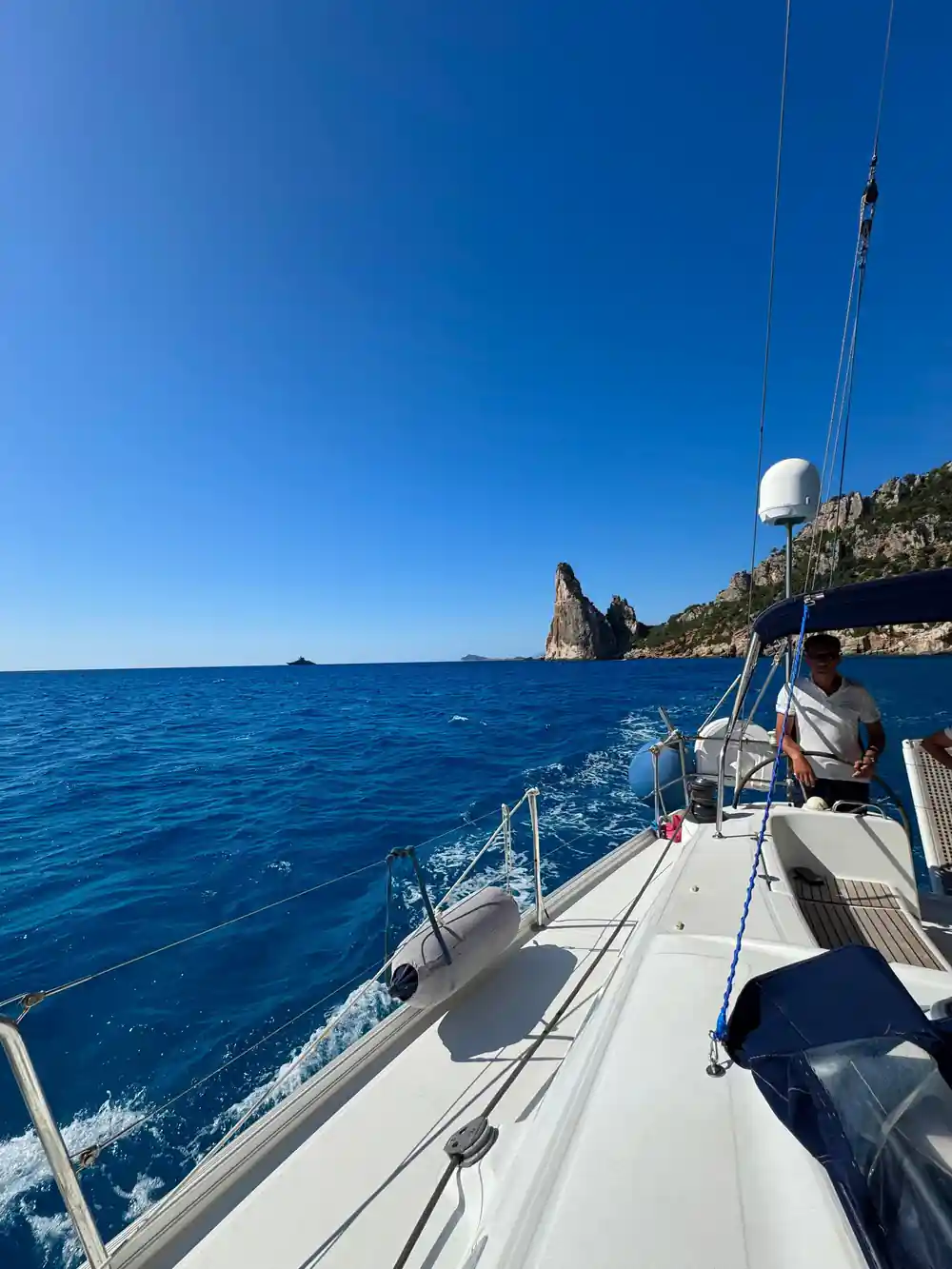
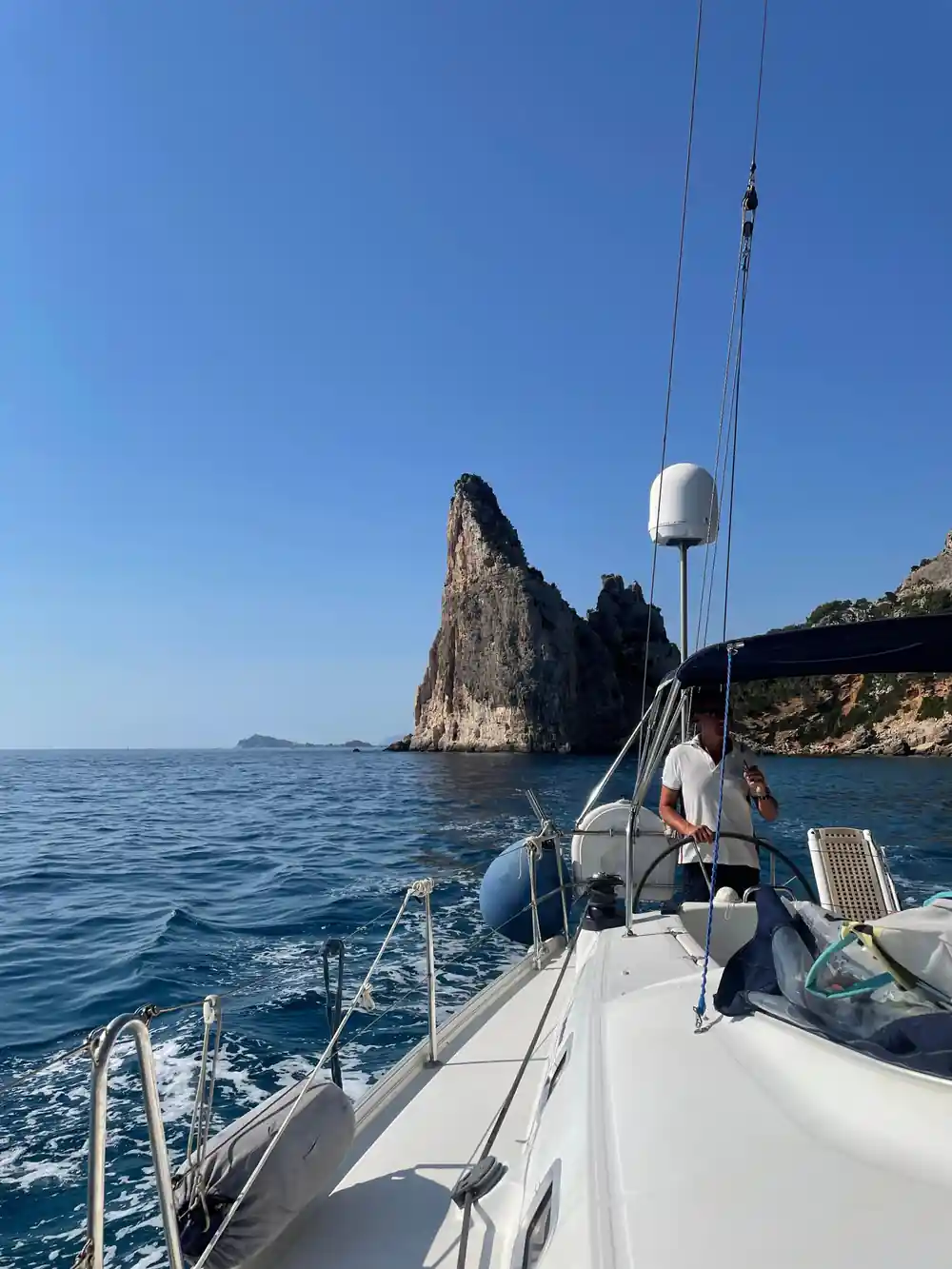
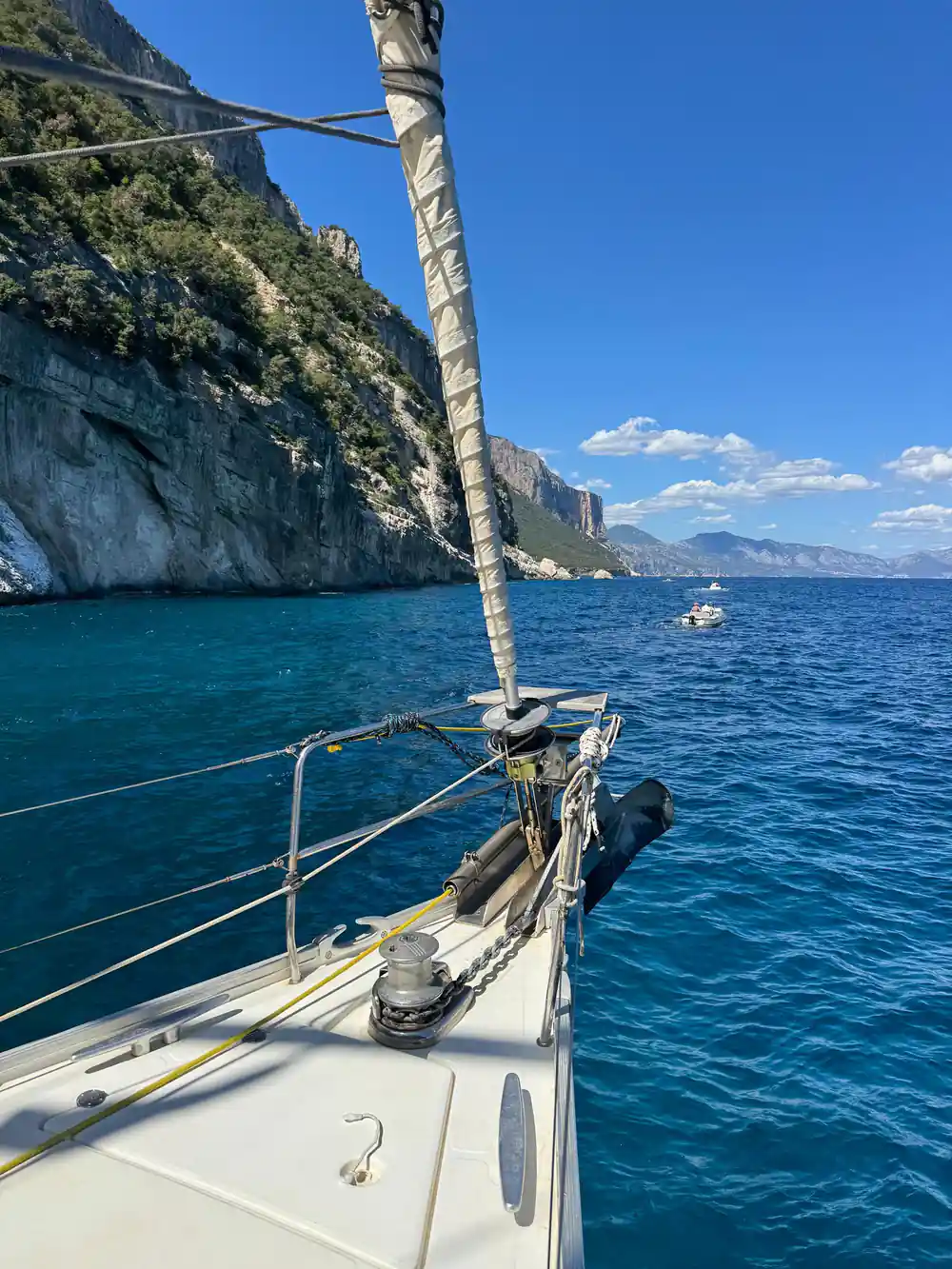
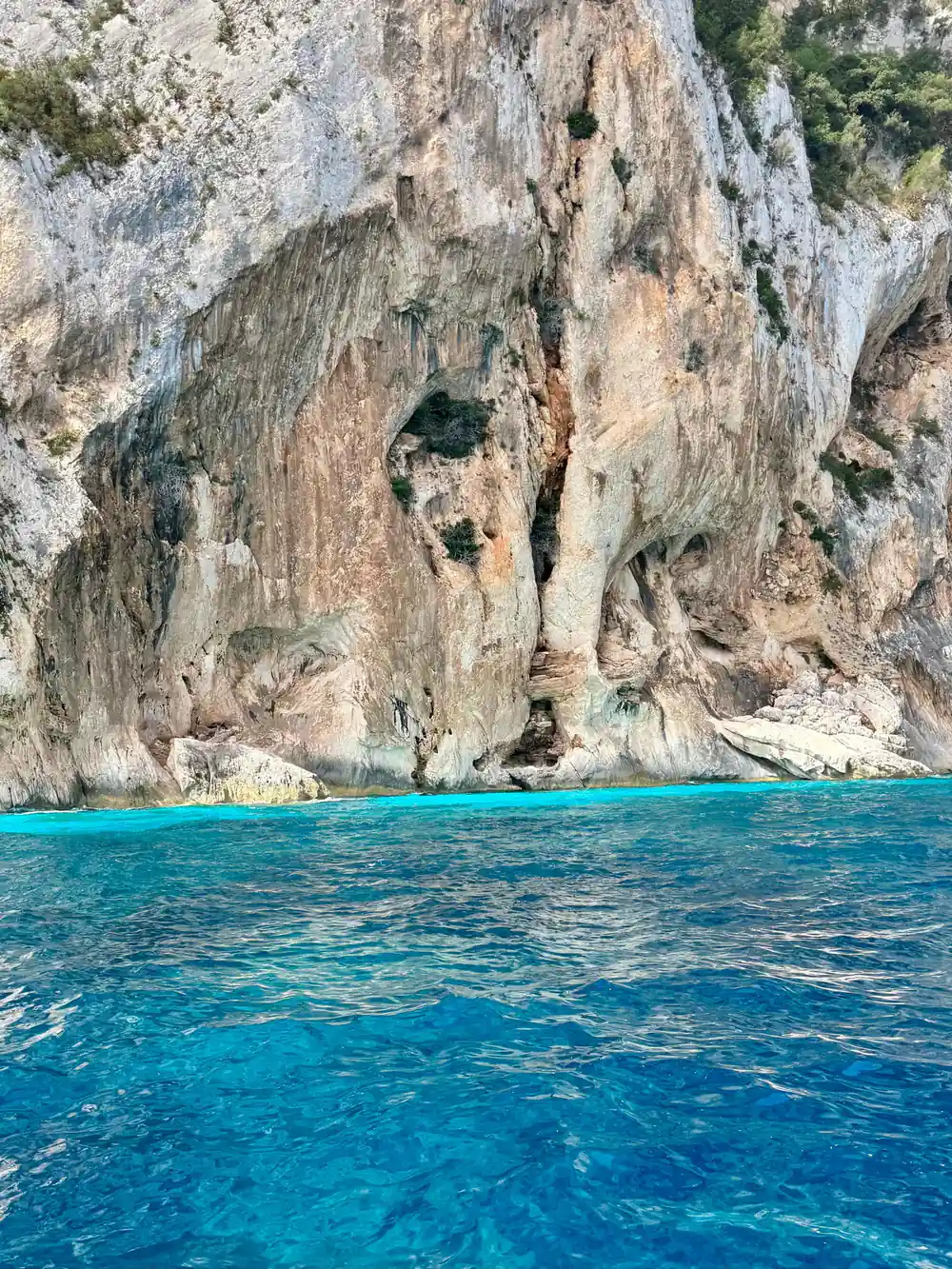
Limestone cliffs and turquoise water: the Gulf of Orosei at its calmest, early in the day.
Morning calm and afternoon swell on the coast
Mornings on this coast are usually the calmest hours. The land is still cool, the sea breeze has not yet built, and the water lies flat enough for easy swimming and snorkelling. If a long swim stop matters to you, look for a trip that reaches the coves early.
By early afternoon the thermal breeze tends to fill in, whitening the tops of the waves on exposed stretches and pushing a swell towards the cliffs. Sheltered coves stay comfortable, but the ride between them is livelier. A three-hour RIB trip from Arbatax fits neatly into a morning, while the eight-hour catamaran day meets both moods.[3][7]
Starting times vary with the day. Check availability to see starting times when you book, and plan the rest of your day around the slot you are given.[3] If your only free hours are in the afternoon, choose a boat that stays inside the gulf rather than one that runs the full length of the coast.
Shoulder-season beaches and fewer crowds
Cala Mariolu is the kind of bay people cross an island for: crystal-clear water, white pebbles and dramatic limestone cliffs that drop straight into the sea.[8] In the shoulder weeks you may share it with a handful of other boats rather than a fleet, and there is room on the pebbles for a towel.
Cala Luna sits further down the gulf and is reachable from Cala Gonone, a hamlet in the township of Dorgali in the province of Nuoro.[10] Landing there in late spring or early autumn gives you a quieter beach and easier shade, and the walk to the back of the cove is a treat without a crowd in front of you.
When the sea is too rough for comfort, the coast still has plenty to offer. Adult tickets for the Grotta del Bue Marino cost €10 in the ordinary season and €12 in June, July, August and September.[4] In Arbatax itself, the Rocce Rosse are named after the porphyry cliffs that rise from the sea east of the port, backed by white rocks and tall red granite boulders.[11]
from US$276
The catamaran day from Arbatax with lunch runs eight hours and scores 4.91 from 268 reviews.[3]
Sea temperature and swimming comfort by season
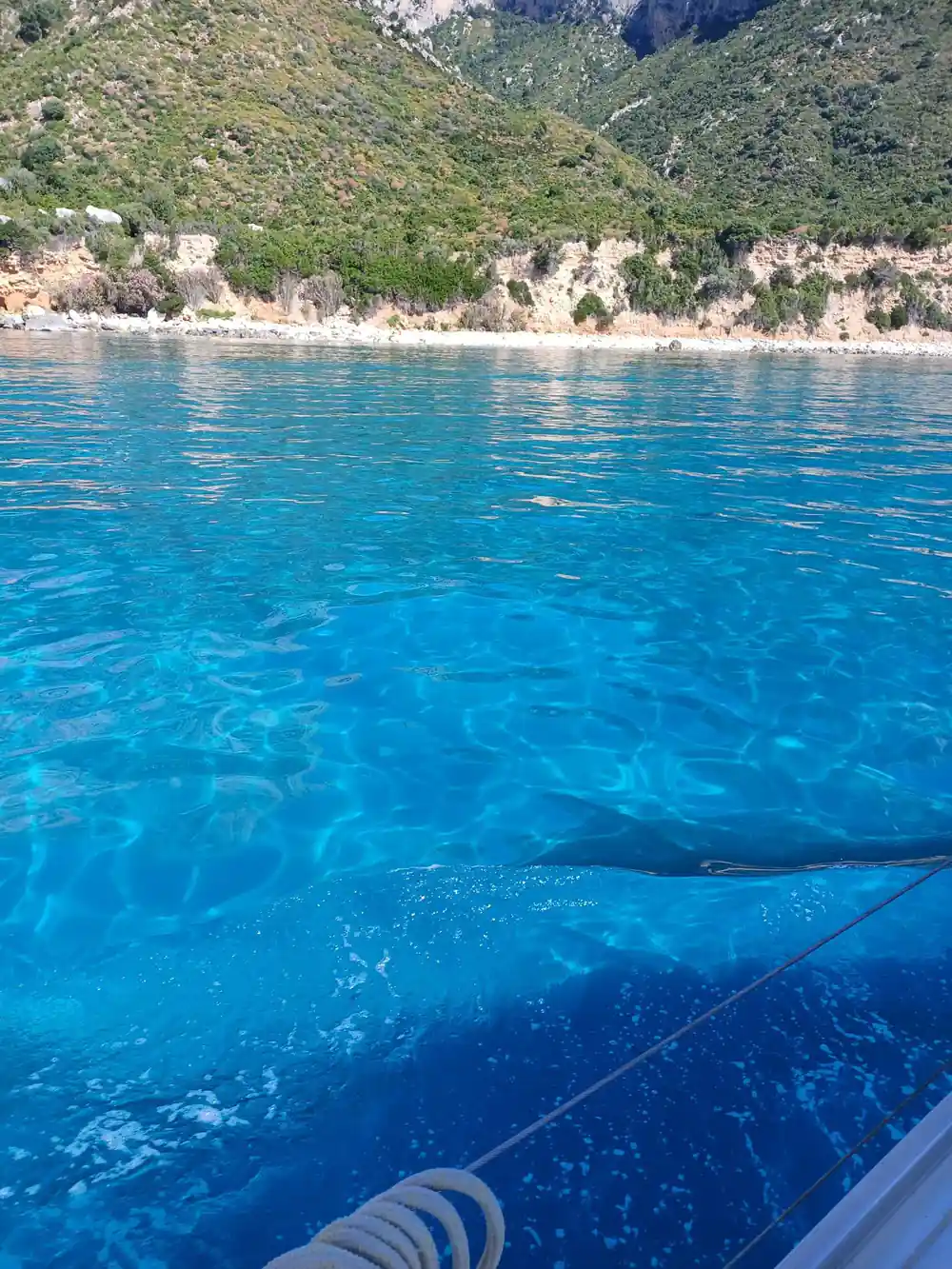
Water temperature decides how long you actually stay in. In August the Gulf of Orosei averages 26.5 °C, with a minimum of 24.4 °C and a maximum of 29 °C recorded over the last decade.[1] That is warm enough for a long, unhurried swim, and shallow coves feel warmer still.
Earlier in the season the sea is brisker and the first plunge takes a moment of courage. By late summer it holds its heat into the evening. A thin neoprene top or a rash vest makes long snorkelling sessions comfortable in any month, and children usually last longer in the water with one on.
Shade matters as much as warmth. The cliffs hold the sun for most of the day and pebble beaches store it. Carry water, take breaks under a towel or an awning, and swim often rather than long. A second towel is worth the space in a dry bag, and light booties save your feet on the pebbles.
How to check conditions before your departure day
Start with a coastal forecast rather than a town forecast. Look at wind direction, wind strength and wave height for the stretch between Arbatax and Cala Gonone, and check whether the breeze is expected to build or drop through the day. Swell period is a better guide to comfort than height alone: a long, lazy swell is gentler than a short, steep chop of the same size.
An Arbatax webcam is a quick reality check on the morning itself. If the harbour is white-topped and the flag is standing out, the exposed crossings will be lively. The wider Arbatax Sardinia weather picture helps too. Conditions in the hills above the coast can differ from those on the water.
Keep an eye on it the evening before and again over breakfast. The Arbatax weather can change quickly, and a forecast that is a day old is only a rough guide. If the wind is expected to swing, ask your operator about the likely route before you set off.
Cancellation and rescheduling if the weather turns
Booking terms matter more than sunshine here. The catamaran trip from Arbatax, from US$276, comes with free cancellation up to 24 hours in advance for a full refund, and you can reserve now and pay later.[3] The Baunei coast day tour and the RIB trip carry the same cancellation terms.[6][7]
A windy day does not automatically cancel a trip, but it does reshape one. Operators know which coves stay calm and which crossings turn uncomfortable. If you have your heart set on one bay, keep a spare morning free and let the wind make the final call.
If you would rather decide on the day, a dinghy hire needs no boat licence, though the driver must be at least 18 years old.[12] That leaves you free to follow the calm water rather than a fixed route, and to turn back when the breeze arrives. Ask about fuel, safety gear and a phone number before you leave the harbour.
August sea water temperature in the Gulf of Orosei
August figures for the Gulf of Orosei over the last decade.[1]
From-prices for boat trips leaving Arbatax
From-prices in US dollars for Arbatax departures.[3][6][7][13]
When to book and when to sail
Plan around the weather
Pick your weeks
Choose the shoulder edges of the season for quieter coves, or midsummer for the warmest sea.
Choose a departure
Morning departures usually meet lighter airs; afternoon trips can run into the sea breeze.
Reserve the extras
Add the Cala Goloritzé reservation if you plan to land there between April and October.[2]
Pack for both
Bring swim kit, a windproof layer, sun protection and shoes for pebble beaches.
Watch the forecast
Follow the coastal forecast in the days before you sail and check it again on the morning.