In a nutshell
- The Gulf of Orosei runs 30 kilometres along Sardinia's eastern coast and sits inside the Parco Nazionale del Golfo di Orosei e del Gennargentu, a protected area in Sardinia.[1][2]
- In August the Gulf of Orosei averages 26.5 °C, with a minimum of 24.4 °C and a maximum of 29 °C over the last decade.[3]
- Cala Mariolu is known for crystal-clear water, white pebbles and limestone cliffs, and Cala Luna is reachable from Cala Gonone.[4][5]
- Cala Goloritzé requires a mandatory reservation from April to October, and access is limited to a maximum of 250 people at the same time.[6]
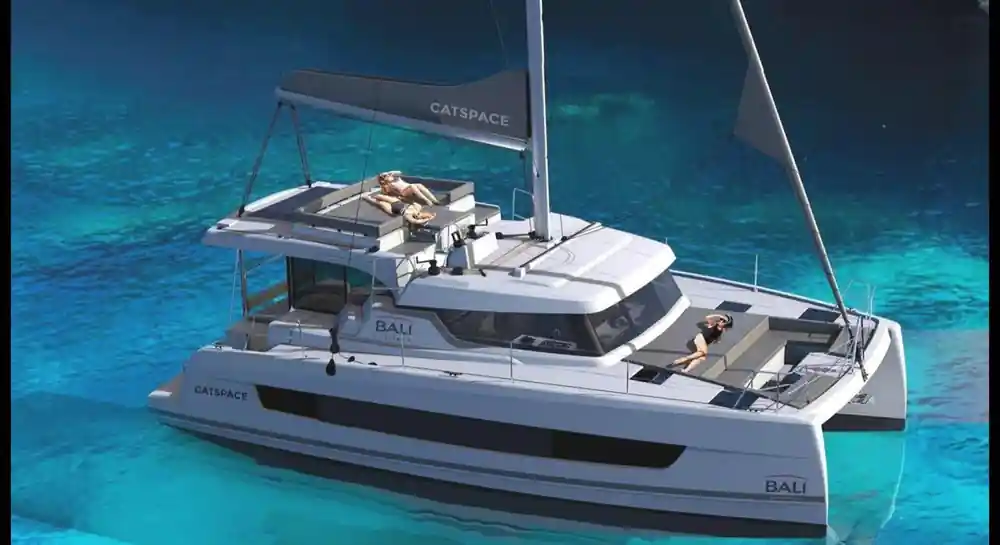
- The Gulf Orosei Catamaran Boat Trip with Lunch runs 8 hours from Arbatax, from US$276, with free cancellation up to 24 hours in advance.[7]
- Top choice Catamaran from Arbatax from US$276 Duration8 hours[7]Rating4.91 from 268 reviews[7]LanguagesEnglish, French, Italian, Spanish[7]Free cancellationUp to 24 hours in advance[7] Check availability
- RIB to Cala Mariolu from US$69 Duration3 hours[8]Rating4.84 from 705 reviews[8]LanguagesEnglish, Italian[8]Free cancellationUp to 24 hours in advance[8] See this tour
- Baunei Coast day boat from US$75 Duration9 hours[9]Rating4.42 from 549 reviews[9]LanguagesItalian, English[9]Free cancellationUp to 24 hours in advance[9] See this tour
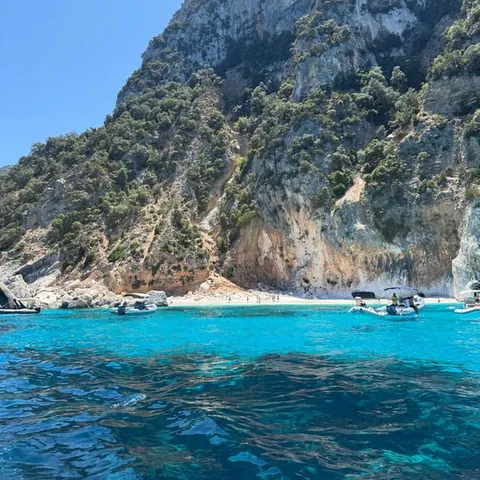
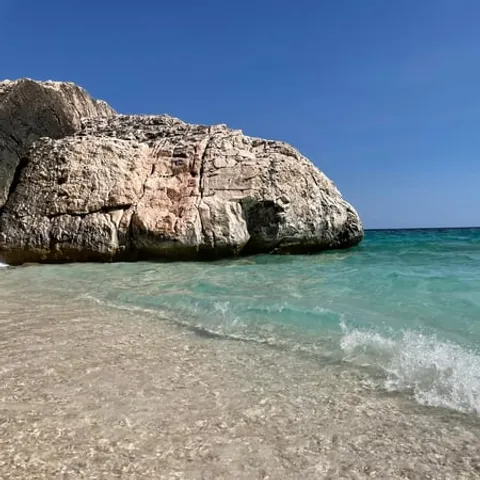
The Gennargentu National Park (Parco Nazionale del Golfo di Orosei e del Gennargentu) is a protected area located in Sardinia, Italy .
Is the catamaran trip the right base for snorkellers?
Trip prep
Why the Gulf of Orosei Rewards Snorkellers
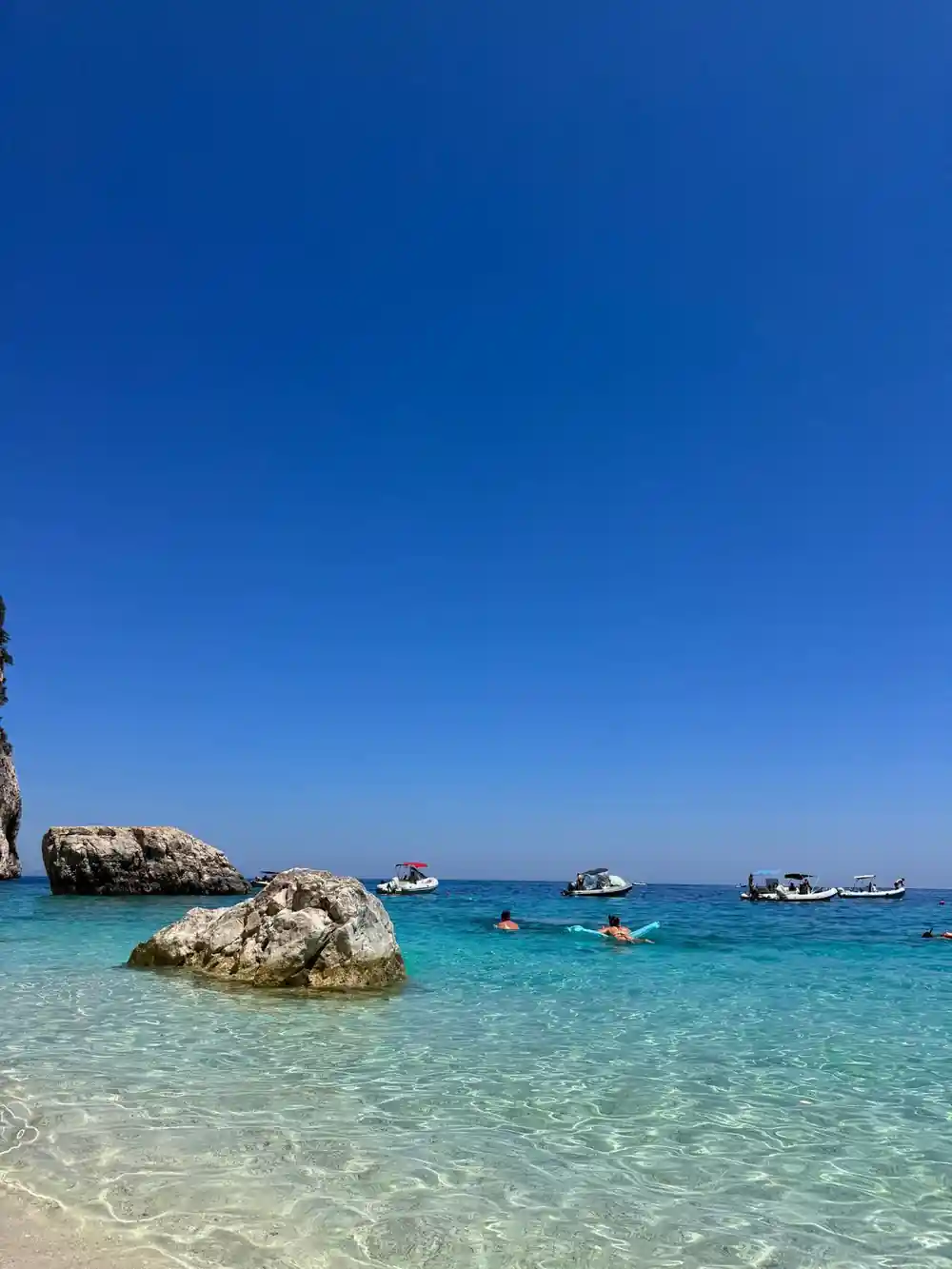
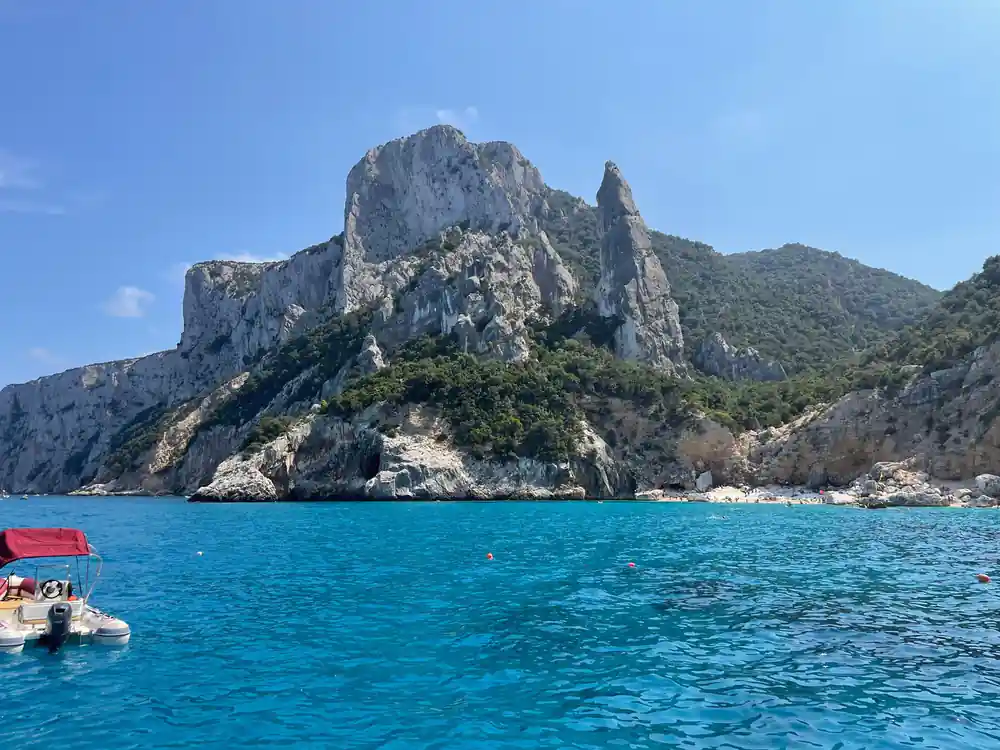
Limestone walls stand straight out of the sea along this coast, and the coves between them are shallow, pale and tucked away from the swell. You swim over white pebbles, sand patches and dark seagrass, with the cliff always in view. The Gulf of Orosei stretches 30 kilometres along the eastern coast of Sardinia.[1] The whole gulf sits inside the Parco Nazionale del Golfo di Orosei e del Gennargentu, a protected area in Sardinia.[2]
What makes a day here work is the rhythm of it: a slow run along the cliffs, a long stop in the middle of the day, and another swim before the light flattens. Snorkelling Gulf of Orosei style means you are never far from a ladder, a patch of shade and a skipper who knows which side of a cove is out of the wind. You can spend hours drifting close to the surface, watching the bottom slide past below you.
Snorkelling Gear: What to Bring and What Is Provided
Your mask matters more than anything else in the bag. One that seals on your face without pressure, a snorkel that clears easily and fins you can kick comfortably will do more for your day than any gadget. If you wear glasses, a prescription mask or daily lenses change everything. Pack a mesh bag so wet kit drains between swims, and a small dry bag for a phone and a towel. Check with the operator before you travel about what is on board, and take your own mask if the fit of a borrowed one worries you.
On a boat day, less is more. A rash vest protects your back on the long ride out and dries in minutes. Reef-safe sunscreen, a hat and a long-sleeved shirt make the hours between swims comfortable, and a spare towel is never wasted. Fins earn their luggage space in open water, while around the coves most people swim without them and use water shoes instead for the pebble entries. Leave anything valuable in the cabin and keep a bottle of fresh water on deck.
Rinse everything in fresh water at the end of the day. Salt stiffens fins, clouds masks and eats at wetsuit zips, and a minute at a tap keeps kit usable for years. A borrowed mask often needs a scrub with toothpaste or mask cleaner before it stops fogging; the film from the factory has to come off first.
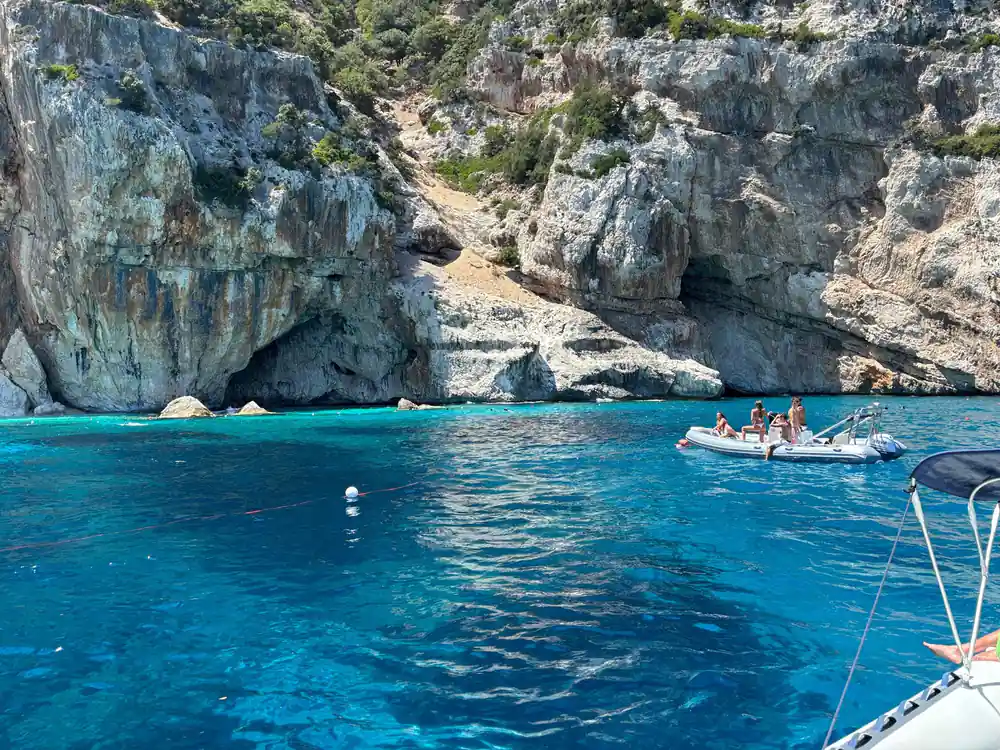
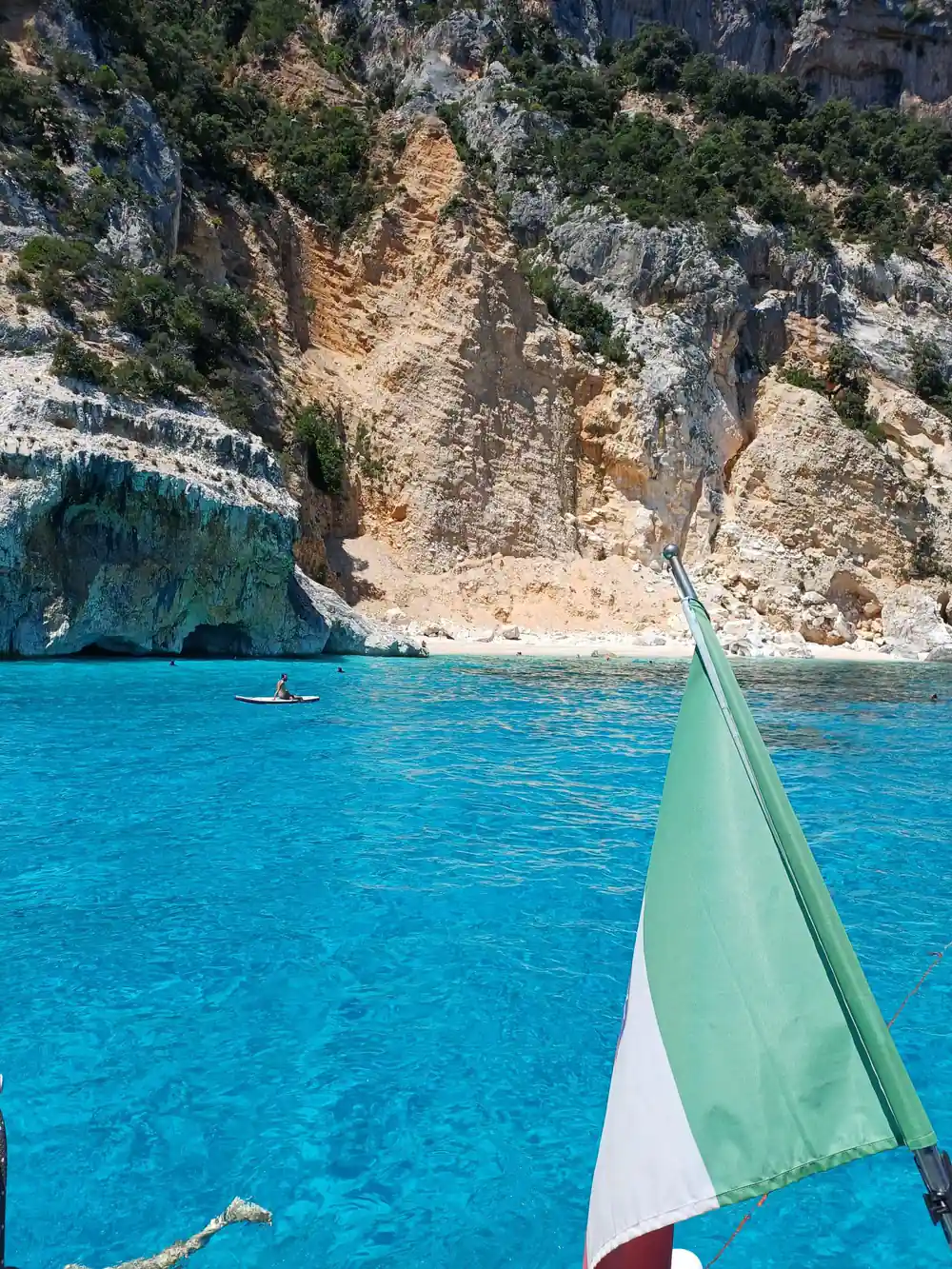
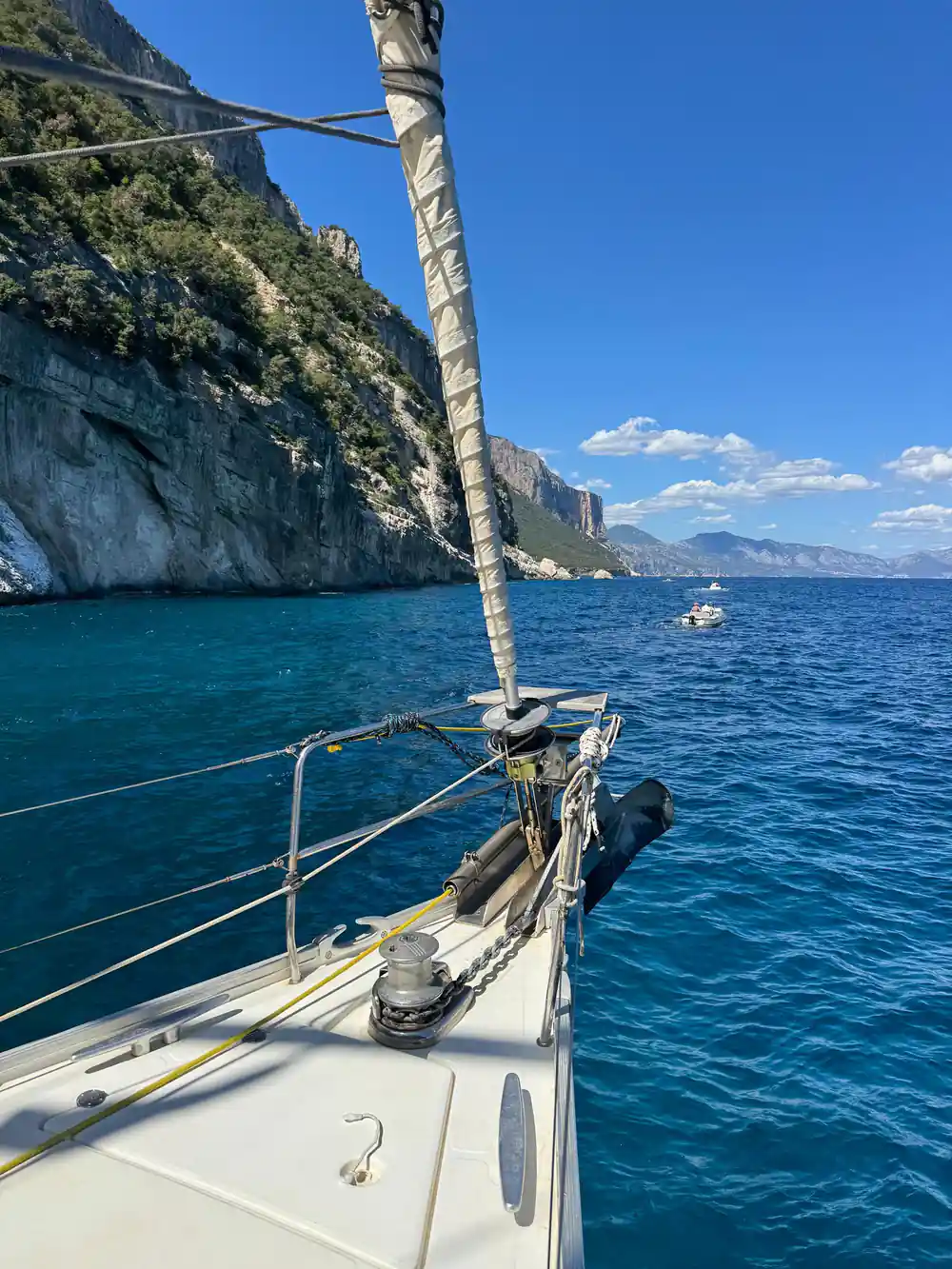
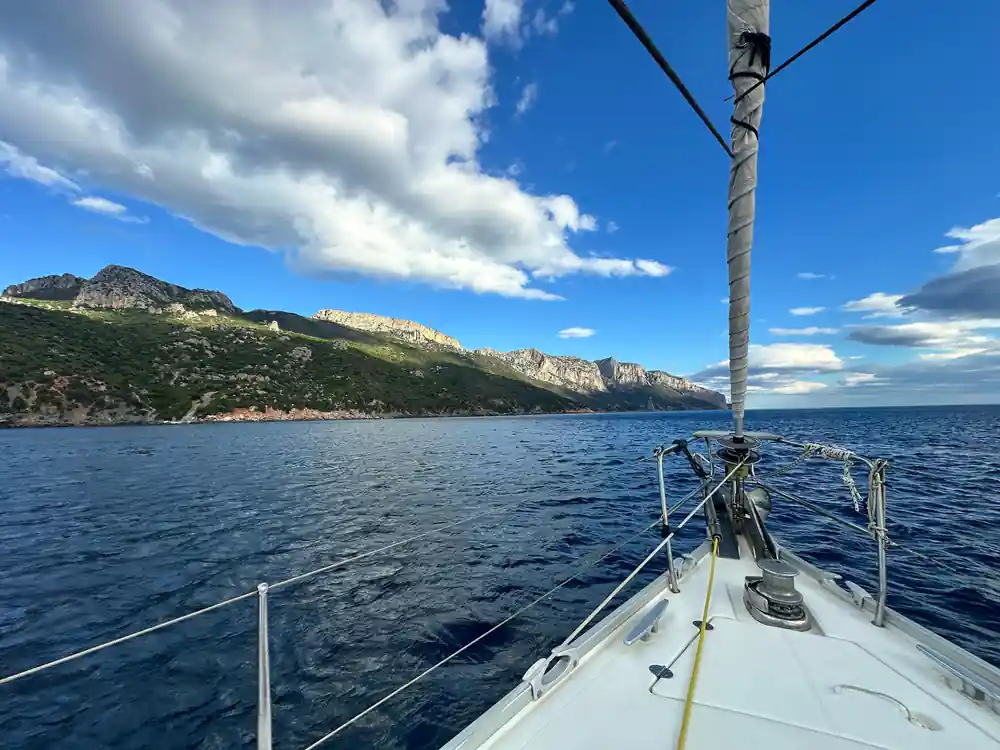
Limestone cliffs and pale pebbles make the coves read bright green from the deck.
Water Temperature, Wetsuits and Rash Vests
Sea temperatures here climb through the summer and reach their high point late in the season. In August the Gulf of Orosei averages 26.5 °C, with a minimum of 24.4 °C and a maximum of 29 °C over the last decade.[3] A short wetsuit keeps you comfortable on long snorkels in high summer, and a thin long-sleeved top is enough for quick dips between stops.
Rash vests are the easiest answer on a boat. In high summer you can swim in a swimsuit and pull the vest on for the ride home; in the cooler weeks, layer a vest under a short wetsuit and you will stay in the water far longer. Hats and lightweight long sleeves keep you comfortable on deck between stops. Snorkelling with children usually goes better with a warm layer and a towel within reach, so a shivering child can be dried and dressed quickly.
Anchorages and Water Clarity by Cove
Cala Mariolu is the cove most people remember, famous for crystal-clear water, white pebbles and dramatic limestone cliffs that plunge into the sea.[4] The pale bottom throws the light back up, so the water stays bright even when the sun slides behind a cloud. Cala Luna lies on the same stretch of coast and is reachable from Cala Gonone, a hamlet in the township of Dorgali in the province of Nuoro.[5]
Cala Goloritzé comes with a rule attached. Access requires a mandatory reservation from April to October and is limited to a maximum of 250 people at the same time.[6] Boats and swimmers plan the landing around it, and the rest of the coast is open water for anyone with a mask. The clearest water usually sits over sand and white pebble, a little away from the cliff base, where rock and seagrass shadow the bottom.
The order of the stops matters more than the names on the itinerary. Ask the skipper which bay you will reach first; light and wind change the water through the day, and a cove that looks milky at noon can be perfect an hour later. Watch where the other boats anchor in a line. There is nearly always a reason for it, and the reason is nearly always sand.
from US$276
The Gulf Orosei Catamaran Boat Trip with Lunch leaves from Arbatax, runs 8 hours and scores 4.91 from 268 reviews.[7]
Posidonia Meadows and Water Quality
The dark patches under the boat are Posidonia oceanica, a seagrass that grows in wide meadows across the Mediterranean. It is a plant, not an algae, with narrow ribbon leaves, and the brown bundles that wash up on the beaches are its dead leaves rather than anything unpleasant. The meadows oxygenate the water, hold the sand in place and shelter young fish, and the edge of a meadow is often the busiest part of the bottom.
Swim along a meadow edge rather than over the middle of it. The leaves are fragile and fins do real damage, so keep your kicks shallow and your body high in the water. Visibility over seagrass is usually a little softer than over sand, and the colour shifts from bright turquoise to deep green as you cross. If the water looks milky on a still morning it is often plankton rather than sediment, and it tends to clear as the day goes on.
Fish and Marine Life Below the Surface
Expect small, colourful and plentiful rather than dramatic. Saddled seabream, white seabream, damselfish, wrasse, salema and the occasional small grouper patrol the rock and the seagrass, and a shoal of striped fish can follow you for a surprisingly long way. Look under ledges for octopus and cuttlefish, on rock faces for sea urchins, and on sand for flatfish that only move when you are almost on top of them.
The best encounters come from doing very little. Float without moving your arms, breathe slowly through the snorkel, and the fish drift back in. Never chase an octopus into its hole and never stand on a rock ledge to rest; urchin spines and slippery weed make both a bad idea. Take nothing and leave nothing, and if you spot litter, a pocket in your rash vest is a good place for it.
Sea Caves, Pebble Entries and Footwear
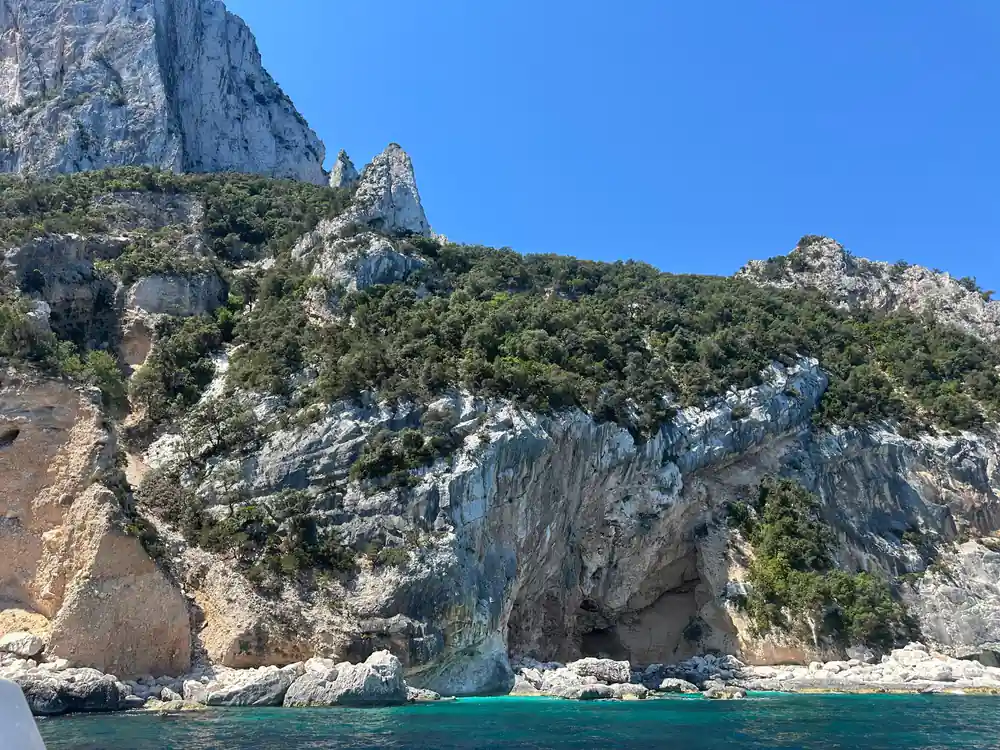
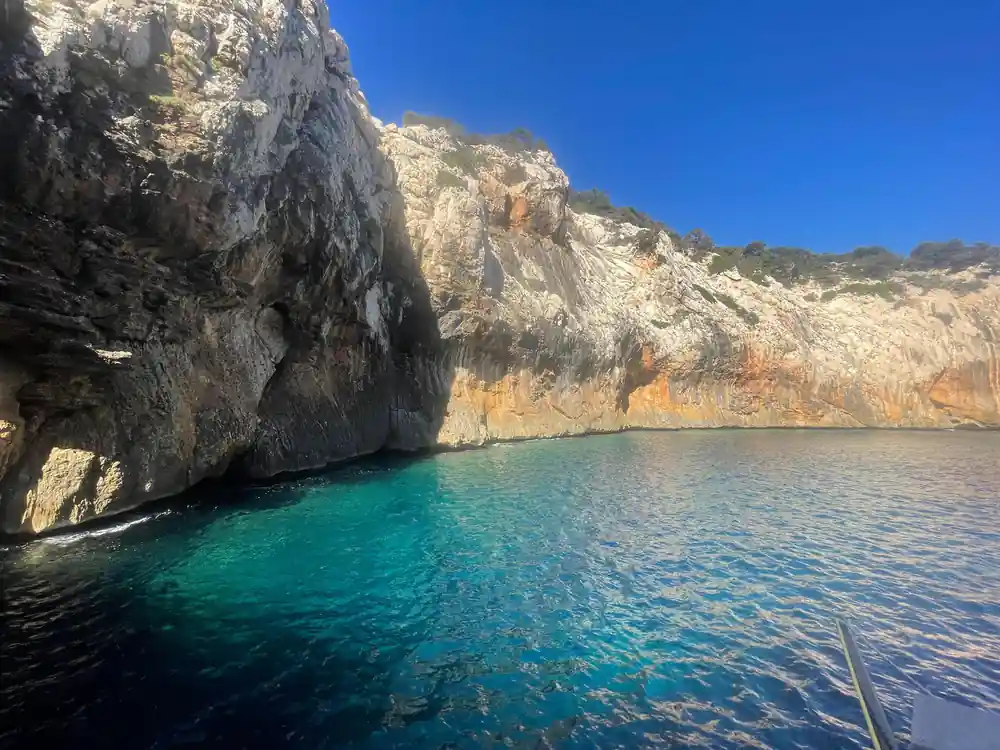
Cave mouths are the most atmospheric swimming on the coast. The water inside is cooler, the swell is usually smaller, and the light comes up green and blue from the bottom. Keep your distance from the rock when a boat is manoeuvring, and never enter a cave when there is any swell running; the same walls that make it calm also make it hard to get out. The Grotta del Bue Marino is the best known of them, with adult tickets at €10 in the ordinary season and €12 in June, July, August and September.[11] Near Arbatax, the Rocce Rosse are porphyry cliffs that rise from the sea in the Red Rocks Bay east of the port.[12]
Footwear decides how much you enjoy the landings. The pebble beaches here are made of smooth white stones that shift underfoot, and the rock shelves at the base of cliffs are slippery even in flat calm. Water shoes or lightweight trainers with grip make getting in and out simple. Wear them on the boat too if the deck gets hot, and keep a pair of dry sandals in your bag for the ride home.
August sea water temperature in the Gulf of Orosei
August readings for the Gulf of Orosei over the last decade, with a minimum of 24.4 °C and a maximum of 29 °C.[3]
Compare day trip prices from Arbatax and Cala Gonone
Adult from-prices in US dollars for the listed trips.[7][8][9][13]
When to plan around the gulf's seasons
Plan your snorkel day
Start from the right port
Arbatax, Cala Gonone and Santa Maria Navarrese all send boats onto this coast. The catamaran trip for snorkellers leaves from Arbatax.[7]
Pack for a full day on deck
Mask, snorkel, fins if you use them, water shoes, a dry bag, water and sun protection. A light long-sleeved top saves your shoulders on the ride home.
Swim in the calm hours
The gulf is usually glassy in the morning and choppier after lunch. Take your longest swim at the first stop and keep the afternoon for shorter dips.
Read the water before you jump
Dark patches are seagrass, bright turquoise is sand, and cave mouths are cooler and often choppier. Ask the skipper about the current before you jump.
Leave the coves as you found them
Take everything back to the boat, keep fins off the seagrass and leave sea urchins their ledge. Small habits keep these coves as bright as they look.