In a nutshell
- Allow 8 hours for the catamaran trip from Arbatax.[1] That is a full day on the water, so plan meals and onward travel around it.
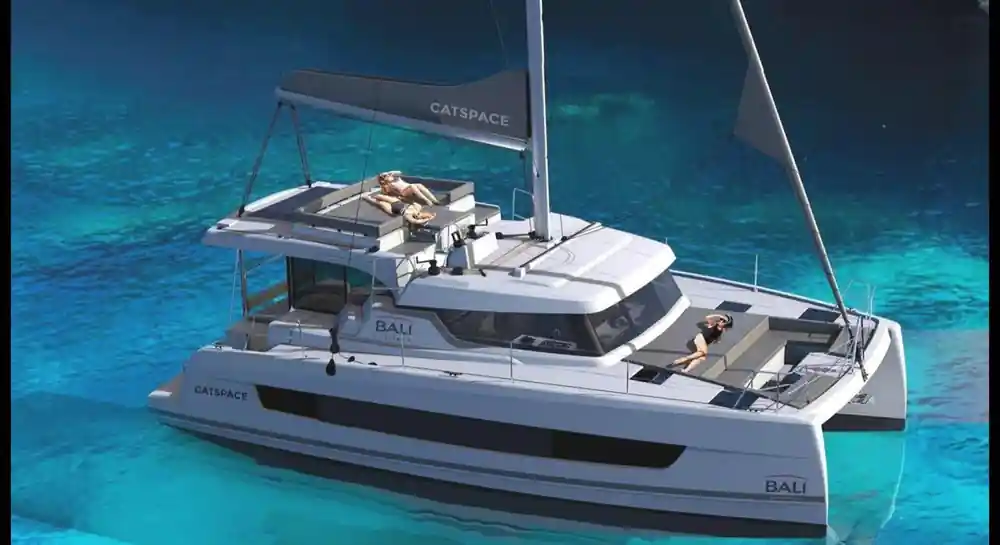
- A catamaran is a wide, twin-hulled platform, which gives you room to sit, move about or lie down when the water gets choppy.
- In August the Gulf of Orosei averages 26.5 °C, with a minimum of 24.4 °C and a maximum of 29 °C over the last decade.[2]
- The live guide on the catamaran trip speaks English, French, Italian and Spanish.[1] Ask again if you miss anything.
- Free cancellation up to 24 hours in advance for a full refund.[1] You can keep an eye on the forecast in the days before you sail.
- Top choice Gulf Orosei catamaran from US$276 Duration8 hours[1]Rating4.91 from 268 reviews[1]Guide languagesEnglish, French, Italian, Spanish[1]CancellationFree cancellation 24 hours before[1] Check availability
- Baunei Coast boat day from US$75 Duration9 hours[3]Rating4.42 from 549 reviews[3]Guide languagesItalian, English[3]CancellationFree cancellation 24 hours before[3] See this tour
- RIB to Mariolu & Goloritzè from US$69 Duration3 hours[4]Rating4.84 from 705 reviews[4]Guide languagesEnglish, Italian[4]CancellationFree cancellation 24 hours before[4] See this tour
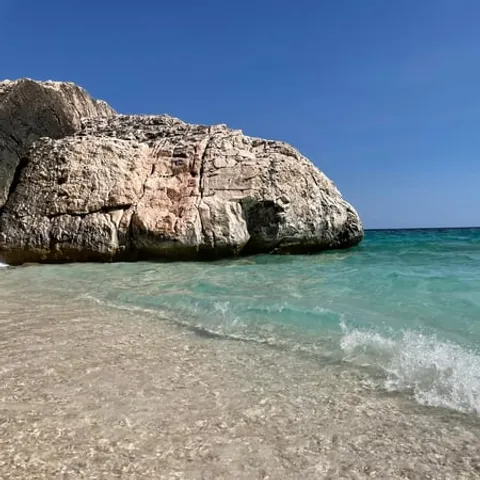
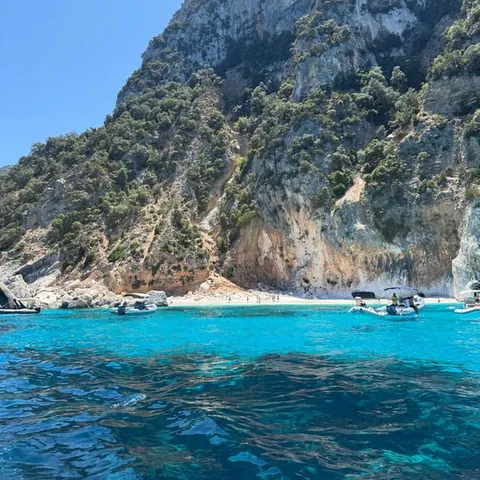
The protected area is the first National Park of Sardinia and the one and only Park in Italy whose territory lies in one Municipality only.
Who this trip suits, and how to enjoy the water safely
On the water
- Ask where the life jackets are stowed before the boat leaves the harbour
- Agree with the crew how you will signal if you need help
- Swim in pairs and keep one person watching from the deck
- Reapply sunscreen after every swim; the breeze hides the burn
What a catamaran day in the Gulf of Orosei feels like
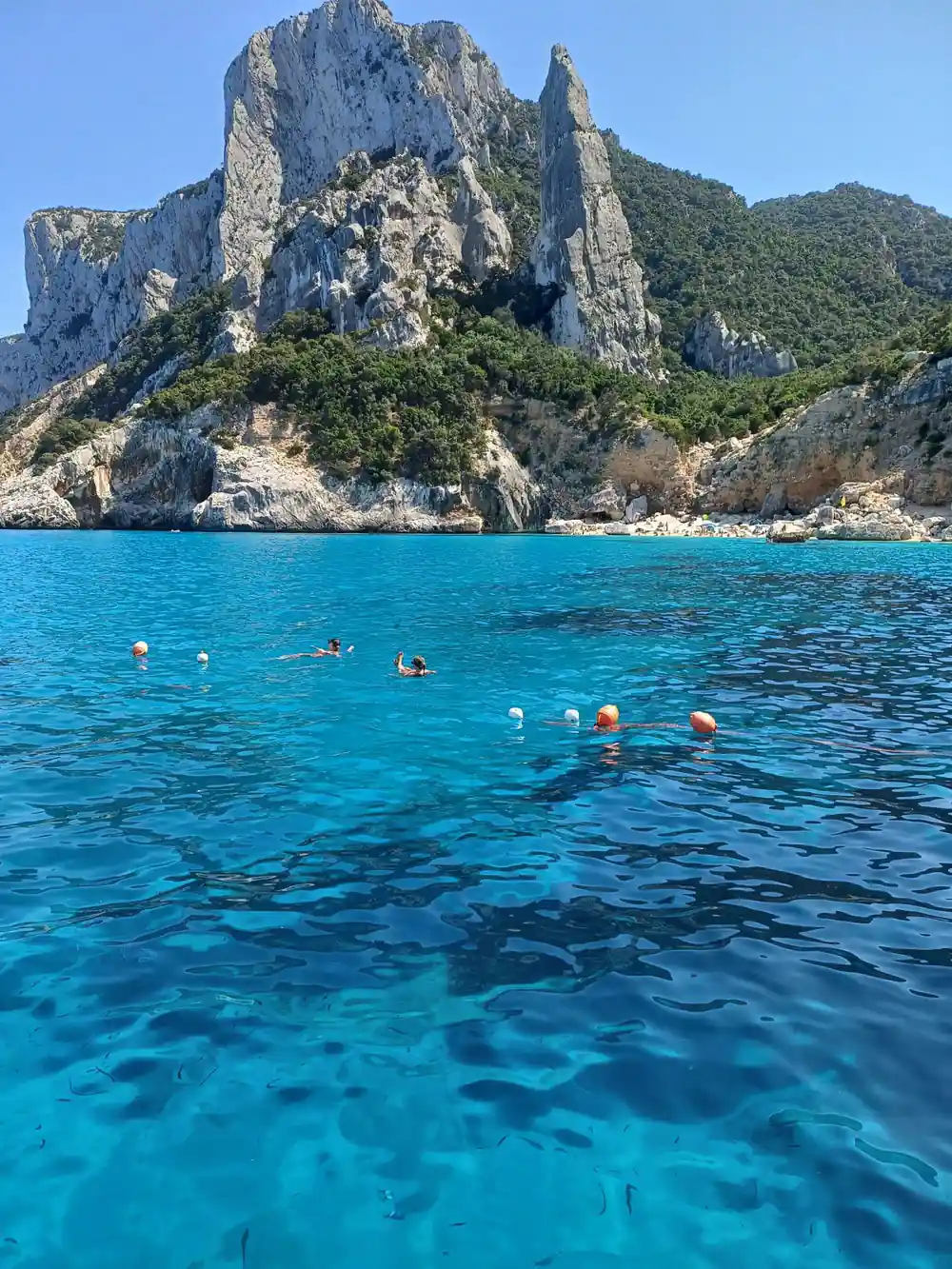
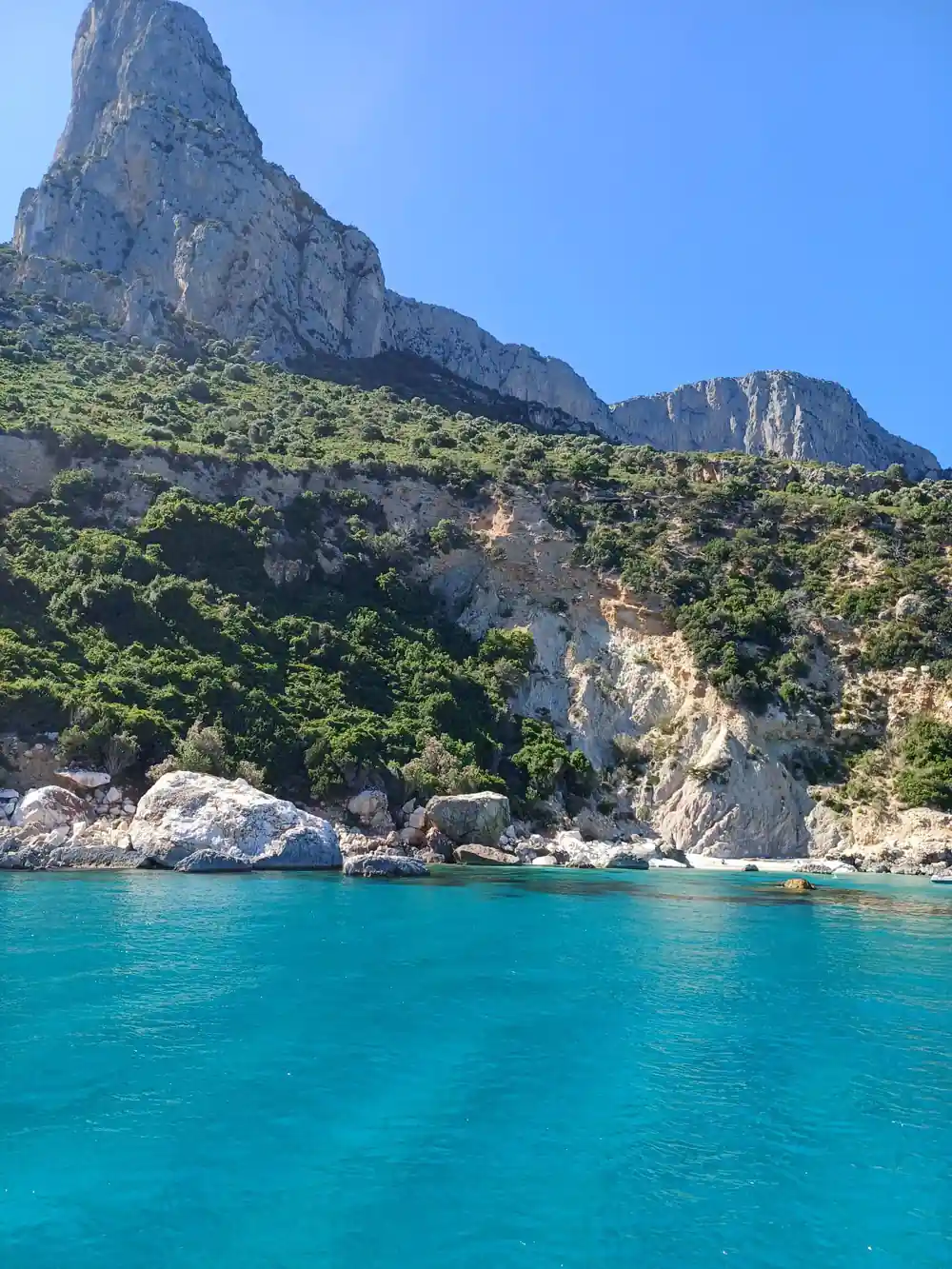
The Gulf of Orosei runs for 30 kilometres along the eastern coast of Sardinia, a shoreline of limestone walls, hidden coves and water that shifts from pale green to deep blue as the bottom drops away.[6] The whole gulf lies inside a protected area, the Parco Nazionale del Golfo di Orosei e del Gennargentu.[7] From the deck you get the long view: cliffs stacked in ledges, scrubby slopes above them, and narrow openings where a beach hides at the back of a bay.
A catamaran is a wide, twin-hulled boat, and that shape changes how a day at sea feels. Instead of the sharp side-to-side roll of a single hull, you get a slower, flatter motion and a deck broad enough to walk, sit or lie down on. It is not a promise of still water. Wind running against the current can lift a swell, and the open stretches between coves are where the movement makes itself felt.
The catamaran trip from Arbatax lasts 8 hours, which is worth thinking about before you book rather than on the morning itself.[1] If you know you are prone to motion sickness in cars, ferries or small planes, plan for this crossing the same way. Keep something warm and something to drink within reach, and pick your spot on deck early, while the boat is still tied up.
Seasickness: what actually helps on the day
Motion sickness comes from the mismatch between what your inner ear feels and what your eyes report. On a boat, the fix is often to give your eyes something steady to work with: a headland, a lighthouse, the line where the water meets the cliffs. Sitting in the open air, facing forward and roughly mid-ship, tends to suit people better than sitting below deck or right at the bow.
Eat a light breakfast rather than a heavy one, keep sipping water, and go easy on coffee and alcohol the night before. Ginger in sweets or tea, and acupressure wristbands, suit some people. If you already know you need medication, ask a pharmacist or your doctor before you travel, take it early and follow the instructions on the packet rather than waiting until you feel ill. A full stomach and a hot cabin are a poor combination.
On a long day the timing matters. The catamaran trip runs for 8 hours, so anything you take should comfortably cover the crossing.[1] Feeling unwell is not something to sit on quietly. The live guide on this trip speaks English, French, Italian and Spanish.[1] Say something early, while you can still enjoy the day, rather than waiting for it to pass.
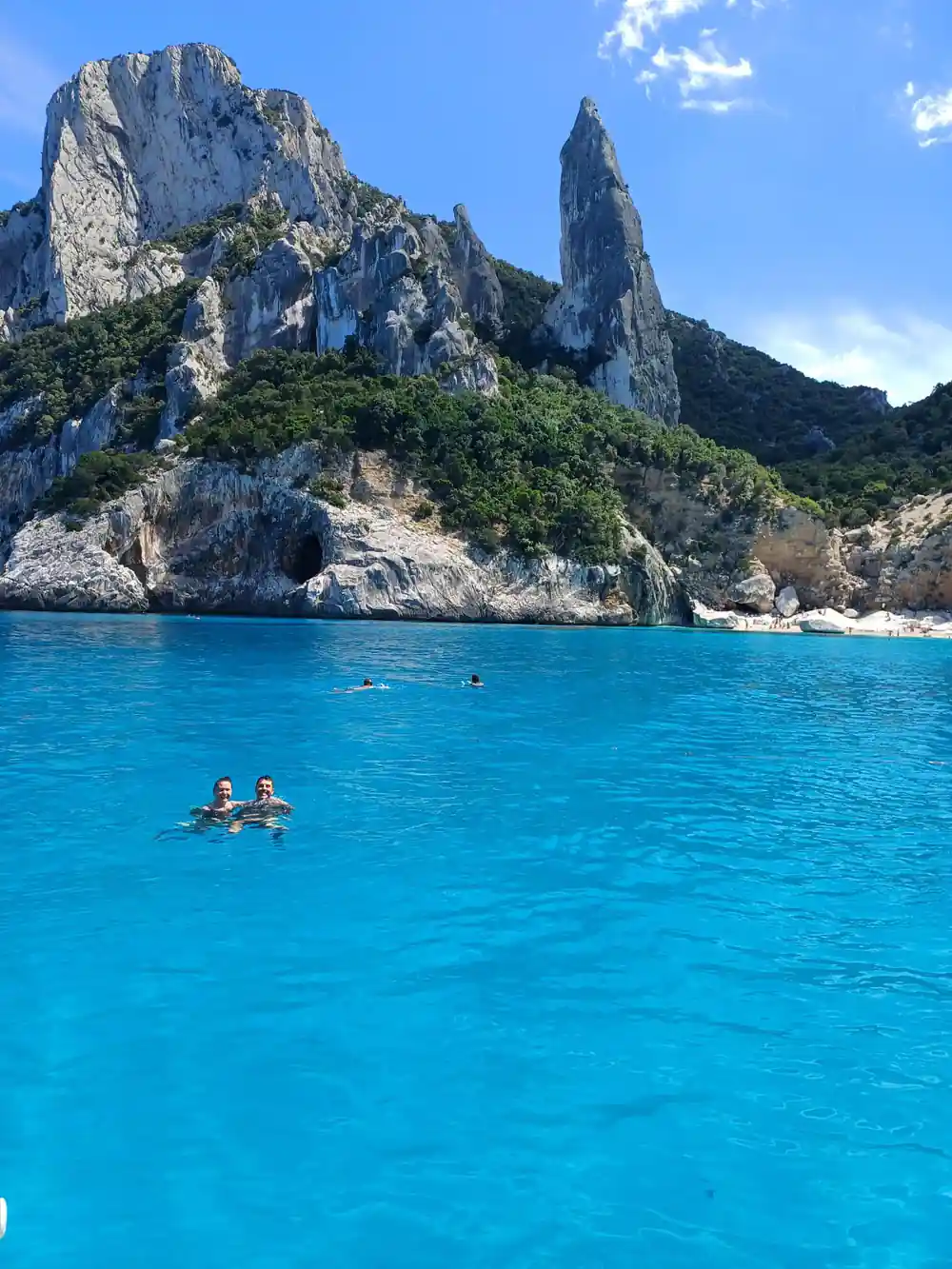
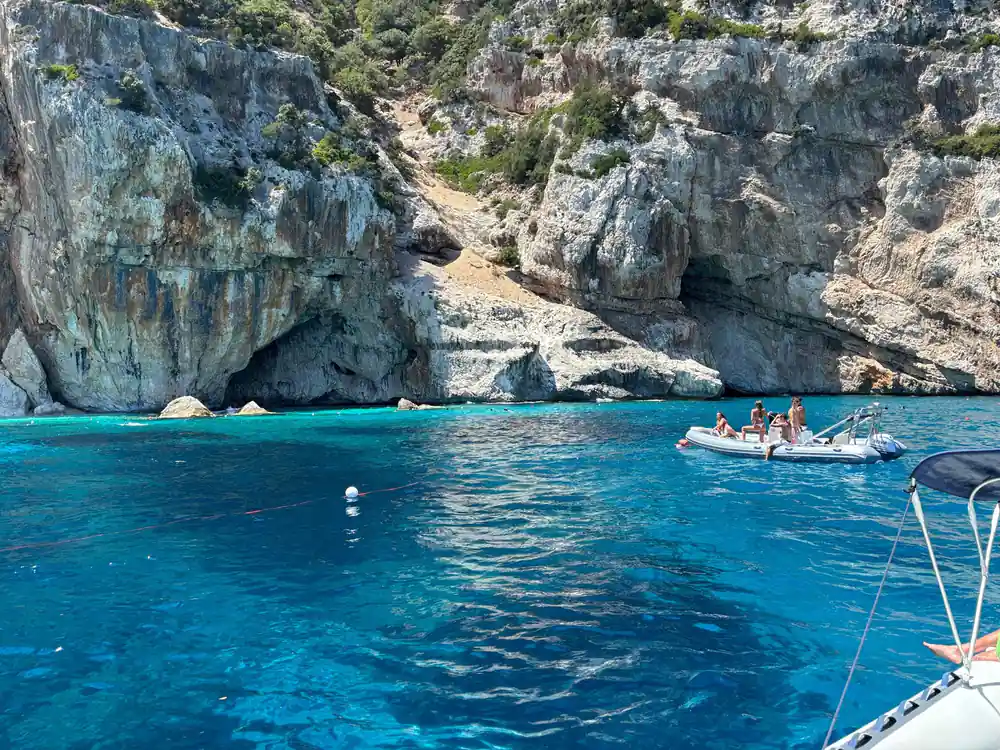
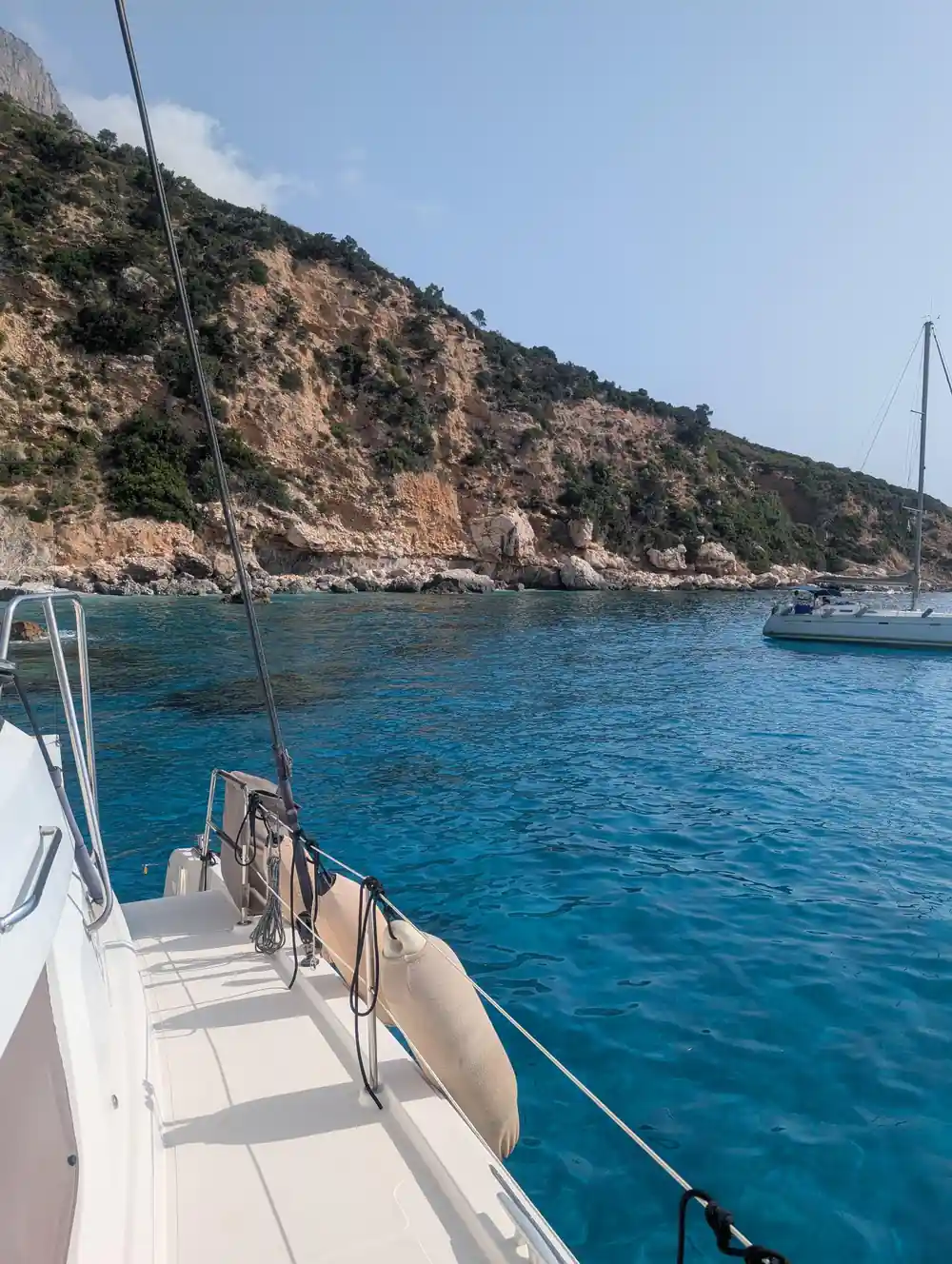
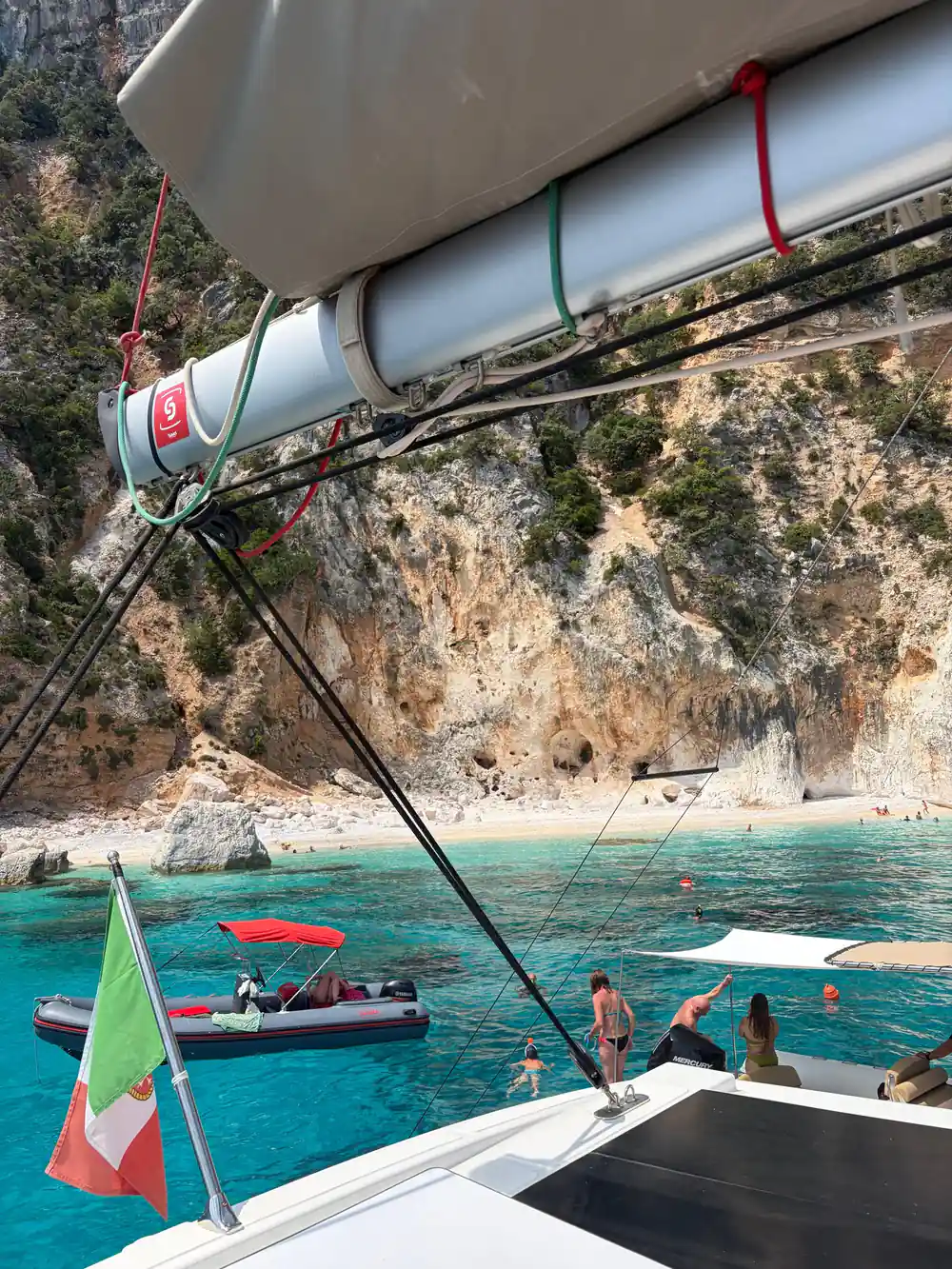
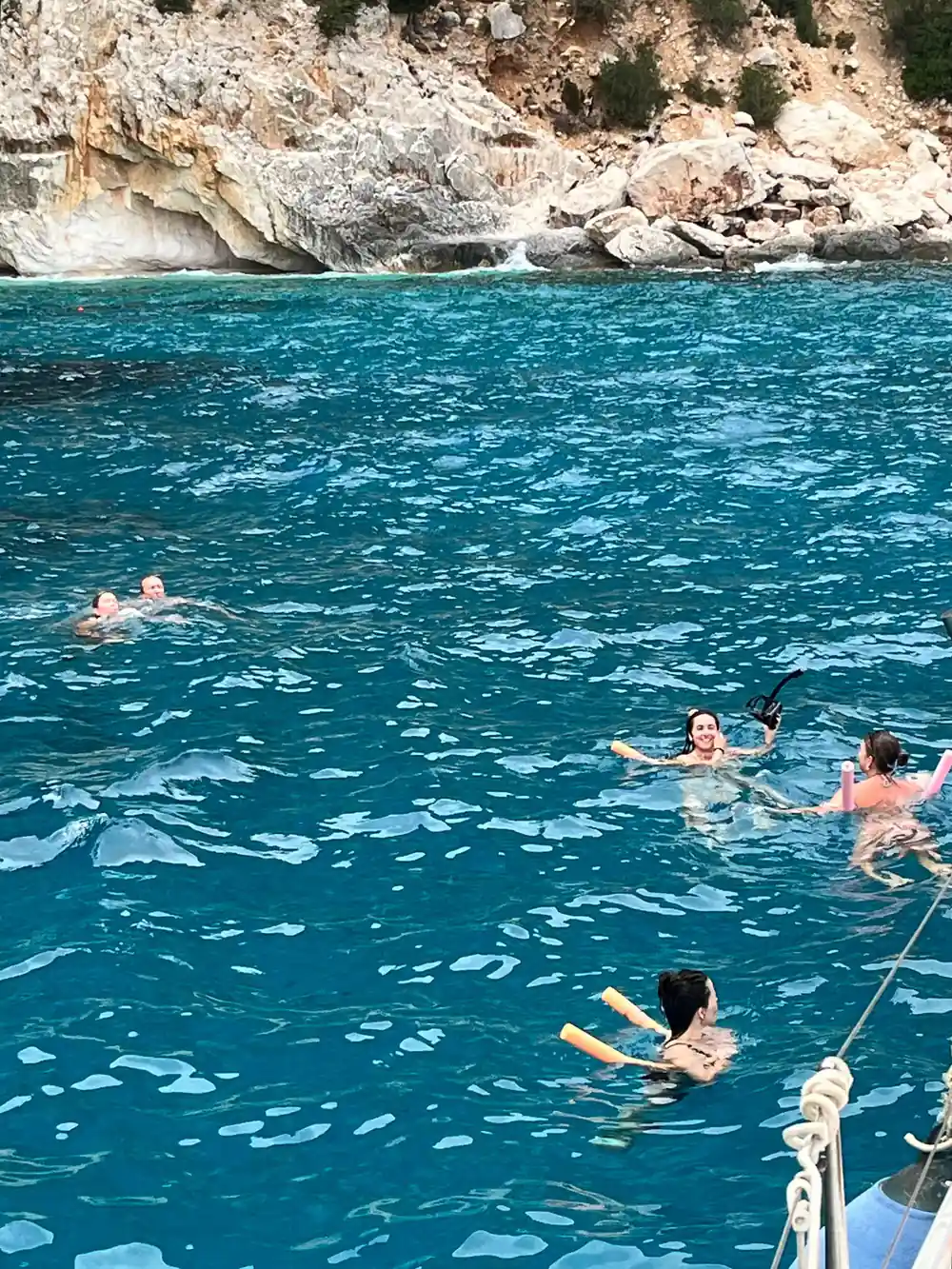
Limestone cliffs and clear water along the Gulf of Orosei, seen from the deck.
Life jackets and the questions worth asking on board
Boats differ in how they store their safety equipment, and the moment to find out is while the harbour is still in sight. Ask where the life jackets are stowed, how they are sized and whether there is one that fits the smallest person in your group. Ask someone to show you how yours fastens rather than working it out from a diagram pinned to a wall.
Ask about the way back on board as well. That usually means a ladder, stern steps or a swim platform, and it is far easier to watch someone else use it first than to work it out while tired and wet. If you want the safety briefing repeated, or explained in another language, just ask. The live guide on this catamaran trip speaks English, French, Italian and Spanish.[1]
It also helps to watch your own group rather than assuming someone else is doing it. A group spreads out quickly on a wide deck. Agree a corner of the boat as a meeting point, agree a time to be back, and make sure everyone knows which member of the crew to approach with a problem.
If you are not a confident swimmer
You do not need to be a strong swimmer to enjoy a day like this, but it helps to be honest about your limits and to say them out loud. Deciding before you board that you will swim with a flotation aid, or stay close enough to touch the boat, removes the pressure of making that call at the top of a ladder with everyone watching.
In the gulf the water is clear enough to see the bottom, and that is exactly what makes depth hard to judge. Cala Mariolu, for example, is known for its crystal-clear water, white pebbles and limestone cliffs that plunge into the sea.[8] Rocks, drop-offs and weed can sit just beyond a patch that looked shallow from the deck, so ask the crew where the safe swimming area is.
In August the sea in the Gulf of Orosei averages 26.5 °C, with a minimum of 24.4 °C and a maximum of 29 °C over the last decade.[2] Even so, a long swim cools you down, and it is worth getting out before the chill sets in. A towel left in the sun on deck feels like a luxury when you climb back on board. Take your time, and get out when you have had enough rather than when someone else does.
from US$276
A full day out of Arbatax on a catamaran, with a live guide on board and free cancellation up to 24 hours in advance.[1]
Swimming with children on a boat day
Children swing between excitement and tiredness quickly on a boat, and water safety depends on an adult who is watching and doing nothing else. Agree before boarding which adult is responsible for which child, and treat that as a job rather than a shared assumption. Put the life jacket on well before the boat reaches the swimming stop, not in the last minute.
Inflatable armbands and rings are toys, not rescue equipment, and they drift away in a moment. A properly fitted life jacket is a different thing entirely, and it keeps a small child floating upright even when a wave takes them by surprise. Practise floating in it beside the boat, where you can reach them, before anyone heads for open water.
Sun and heat are easy to underestimate on a boat, where the breeze hides how strong the sun is. A hat that ties under the chin, a rash vest, plenty of water and regular sunscreen get you through a long afternoon. Take a small bag on board with a dry towel and a change of clothes, so a cold, tired child can be sorted out in minutes.
Pregnancy, back pain and other physical limits
Boat decks are uneven, they move, and they are usually wet. If you are pregnant, recovering from surgery or living with a back, neck, heart or balance condition, speak to your own doctor before you book rather than deciding on the morning of the trip. That conversation is the one piece of planning nobody else can do for you. It is also worth checking that your travel insurance covers boat trips and swimming.
If you do travel, tell the crew early. Ask them to point you to a place where you can sit or lie down out of the sun, away from the busiest part of the deck. Keep regular medication in a bag that stays with you, rather than in a rucksack at the bottom of a pile, and let someone in your group know where it is.
Getting in and out of the water takes more planning for anyone with limited mobility, so ask about the ladder or the steps before you commit to a swim. There is no rule that says you have to get wet. If you would rather stay dry, you can spend the day on deck with a book, a camera and the coastline sliding past, which is what the day is really about.
First aid, radio contact and looking after each other
Crews train for the things that happen at sea: cuts from rocks, sunburn, a twisted ankle on a moving deck, a jellyfish sting, someone who has swallowed water or feels faint. Ask at the start of the trip where the first aid kit is kept and who to fetch if something goes wrong. It is a short conversation, and it takes the panic out of an accident.
Mobile signal is patchy under tall cliffs and out of sight of the coast, so do not treat your phone as your safety line. Boats carry their own radio equipment, and the crew know how to raise help. If you are swimming, stay where the crew can see you, and keep half an eye on the boat as well as on the scenery.
Simple habits cover most emergencies. Tell someone where you are going before you get in the water, even if it is only the person beside you, and come back when you said you would. If you feel unwell, cold, dizzy or out of your depth, say so straight away. Nobody on a good crew minds being asked, and it is much easier to help early than late.
August sea temperature in the Gulf of Orosei
Average, minimum and maximum August sea water temperatures in the Gulf of Orosei over the last decade.[2]
US dollar from-prices for Gulf of Orosei boat trips
From-prices in US dollars taken from tour listings.[1][3][4][9]
When to plan your day on the water
Getting ready for the water
Book the right day
Look at the wind forecast for the days either side of your trip, and keep the cancellation window in mind so a change of plan is easy.
Eat and drink lightly
A light breakfast and steady water are kinder than a heavy meal before a long crossing on open water.
Dress for spray and sun
Layers, a hat with a strap, a windproof top and high-factor cream cover both the hot deck and the breeze off the water.
Find the safety gear
Ask the crew where the life jackets are kept, how they are sized and where the first aid kit lives before you leave the harbour.
Watch the entry first
See how others step or slide in from the stern, and ask which side of the boat is clear of rocks before you get in.
Agree a plan
Pick a meeting point on deck and a time to be back, so nobody is counting heads while the engines start.